Showing posts with label advice. Show all posts

Friday, 12 April 2024

Honest Advice for new Screenwriters in 2024

(This is an updated & expanded version of Honest Advice for new Screenwriters in 2023, in light of more recent developments and my perspective as an agented writer).

This piece is aimed at anyone in the UK who wants to write scripts: maybe you're just starting or coming off a course (BA or MA), or are the intrepid outsider gung-ho-ing it with a copy of Save the Cat. You want to write movies and TV, maybe even get a shot at working on a big franchise like Doctor Who or Eastenders. 

I must first salute your first step into a creative field. It's exciting and when it comes together on the page, a sublime feeling!

You will also no doubt be aware of everything else happening - the country is dealing with a cost of living crisis, and our entertainment industry has not been spared. The fallout of the (fully justified) SAG-AFTRA and WGA strikes in America, and an animation strike around the corner; rising costs leading to many in UK film and TV being out of work, with many more having left altogether, and most recently, the cancellation of a slew of shows, including longtime training ground Doctors.

It's undeniably a grim picture right now: nerves are frayed, slots are being cut and with money low, the dream seems even more out of grasp. For the new arrival to this field, you may be doubting your decision to try script writing. Perhaps you've made some headway and now, things have dried up and you fear a career change is not far. Did you waste all that effort?

I've always endeavored for this blog to not just be optimistic, for the sake of new writers navigating an often frustrating business, but practical: to give you resources to find your way. So if you are a nervous student, or a curious enthusiast, here's my recommendations for what you can do. I'll split these into two categories: SCREENWRITER and LIFE.

SCREENWRITER

  1.  If I can advise spending a little on something, invest in a copy of The UK Scriptwriter's Survival Guide: (for clarity, this is not a paid promotion.) Veteran film and TV scribes Tim Clague and Danny Stack (Eastenders, Doctors, Thunderbirds Are Go) give a practical, no B.S. guide on what you can do to help yourself get a foothold in the industry. I honestly believe this should be compulsory reading for all new screenwriters, as it will open your eyes to many possibilities (some we'll quickly touch on below too), as well as give you useful tips and tricks to navigate the business and avoid dead-ends.
  2. No matter what genre or style you like to write in, keep your scripts budget-friendly. Be conservative and smart with your sets, number of characters, production value and big set piece moments. Be mindful of locations too - do you need to be in London, for example? In TV terms, what's your precinct (where characters will spend most of their time) and how much can you get out of it? This is also true if you write movies: the Hollywood machinery doesn't exist here and your best bet is the world of microbudget feature films. 
  3. Use this time and downturn (Inside the industry, the word is 'Survive till '25') to build a portfolio of scripts: 3 is the usual advice, but I'd say with the way things are, 5-6, in different mediums/genres is a better investment of what time and energy you have. And I don't mean 5-6 scripts you've just written - I mean 5-6 scripts you have polished and are proud of, which may be your ninth or tenth overall! And prioritize returnables over limited/miniseries.
  4. Sharpen the hell out of your logline and pitches. Never before has a succinct and easy way to sell your script mattered more - can you sell your show in one page, and even in just 30 words? That hook can make all the difference to if a producer or development person wants to add you to their huge reading list.
  5. Screenwriting and its storytelling methods don't just apply to movies and TV - it's writing, after all. With what you learn, you can diversify into other fields that do put up jobs in a more familiar way (sites like LinkedIn, Indeed etc) than the detective work associated with the big two. Web content (like scripts for Youtube videos), video games, podcasts, copywriting (writing adverts, written website content, promotional materials, pamphlets), all of these will utilize the skills you learn. Indeed, there are other roles where your skills can be used, as I discuss here.

 LIFE

  1. Keeping or getting a day job is not a sign of failure or that you need to give up your writing dream - it's literally what's keeping you fed and alive. Balance and finding time to write can be done.  If you take an extra few months to write a script because you've got other priorities, so what? It's not a race - just write something good and damned be if it takes six months or two years to write. No one has ever, in my experience, cared about length of development: just the end result.
  2. Connected to the first - if you have to retrain in a new field, it doesn't mean you can never write again. You'll have to adjust the timescale, again, but it's not impossible and not worth beating yourself up over.
  3. Take breaks. For the love of God, take breaks, do other things and just refresh yourself when you can: a trip to the park, play with your kids or pets, grab a big Mac. It will clear out mental cobwebs, lower stress and might help you find that missing piece in your story.
  4. In the middle of economic hardship, the standard advice of 'make your own thing' can be, at least, a little insensitive and presumptive. This also doesn't account for the freefall in independent theatre, so scratch nights are a dicier prospect (though if you have a way in, take it). If you were to ask me 'I don't have a lot of spare time or money. Should I do a short film, a video webseries, or a comedy/drama scripted podcast as a showcase/first credit?', I'd say pick the podcast - far lower costs and logistics than anything visual, everyone has a decent-quality mic on their phone or laptop nowadays, and it puts your unique voice as a writer front and center.
  5. Even when things pick up again in the next year or two, everything in film and TV will still be rather SLOW. Everything takes time, reading backlogs have never been bigger, and everything is about your initiative and productiveness. This is not a career for those who are lazy or just expect, for whatever reason, things to come to them.It also means don't be disheartened if a script takes months to get read. I take about how to check in here

The simple takeaway here is that building a career in the arts is hard. It was already really hard, but the economic plight and years of questionable decision making has compounded that challenge. But, and this is the fuller takeaway, it's not without little rays of hopeful sunshine, twee as that might read. So long as you keep practicing, keep writing and keep on experimenting, you still have a chance, and this industry needs you.

(P.S. If you can, follow The TV Mindset and share #Leftinthedark, to highlight the failure to support freelancers in this industry.)

Friday, 10 November 2023

Honest Advice for new Screenwriters in 2023

This piece is aimed at anyone in the UK who wants to write scripts: maybe you're just starting or coming off a course (BA or MA), or are the intrepid outsider gung-ho-ing it with a copy of Save the Cat. You want to write movies and TV, maybe even get a shot at working on a big franchise like Doctor Who or Eastenders. 

I must first salute your first step into a creative field. It's exciting and when it comes together on the page, a sublime feeling!

You will also no doubt be aware of everything else happening - the country is dealing with a cost of living crisis, and the entertainment industry has not been spared. Between rising costs and the fallout of the (fully justified) SAG-AFTRA and WGA strikes in America, many in the UK film and TV industry are out of work, and many more have left altogether. It's undeniably a grim picture right now: nerves are frayed and with money low, the dream seems always just out of grasp. For the recent arrival to this field, you may be doubting your decision to try script writing.

Welcome to Broken Britain 2023 and a new 'Winter of Discontent' - Revista  de Prensa

However, I've always endeavored for this blog to not just be optimistic, for the sake of new writers navigating an often frustrating business, but practical: to give you resources to find your way. So if you are a nervous student, or a curious enthusiast, here's my recommendations for what you can as your next steps, even in economic turmoil and uncertainty:

  1. Keeping or getting a day job is not a sign of failure or that you need to give up your writing dream - it's literally what's keeping you fed and alive. Balance and finding time to write can be done.  If you take an extra few months to write a script because you've got other priorities, so what? It's not a race - just write something good and damned be if it takes six months or two years to write. No one has ever, in my experience, cared about length of development: just the end result.
  2. If I can advise spending a little on something, invest in a copy of The UK Scriptwriter's Survival Guide: (for clarity, this is not a paid promotion.) Veteran film and TV scribes Tim Clague and Danny Stack (Eastenders, Doctors, Thunderbirds Are Go) give a practical, no B.S. guide on what you can do to help yourself get a foothold in the industry. I honestly believe this should be compulsory reading for all new screenwriters, as it will open your eyes to many possibilities (some we'll quickly touch on below too), as well as give you useful tips and tricks to navigate the business and avoid dead-ends.
  3. Screenwriting and its storytelling methods don't just apply to movies and TV - it's writing, after all. With what you learn, you can diversify into other fields that do put up jobs in a more familiar way (sites like LinkedIn, Indeed etc) than the detective work associated with the big two. Web content (like scripts for Youtube videos), video games, podcasts, copywriting (writing adverts, written website content, promotional materials, pamphlets), all of these will utilize the skills you learn. Indeed, there are other roles where your skills can be used, as I discuss here.
  4. No matter what genre or style you like to write in, keep your scripts budget-friendly. Be conservative and smart with your sets, number of characters, production value and big set piece moments. In TV terms, what's your precinct (where characters will spend most of their time) and how much can you get out of it? This is also true if you write movies: the Hollywood machinery doesn't exist here and your best bet is the world of microbudget feature films. 
  5. In the middle of economic hardship, the standard advice of 'make your own thing' can be, at least, a little insensitive and presumptive. If you were to ask me 'I don't have a lot of spare time or money. Should I do a short film, a video webseries, or a comedy/drama scripted podcast as a showcase/first credit?', I'd say pick the podcast - far lower costs and logistics than anything visual, everyone has a decent-quality mic on their phone or laptop nowadays, and it puts your unique voice as a writer front and center.
  6. Use this time and downturn to build a portfolio of scripts: 3 is the usual advice, but I'd say 4-5, in different mediums/genres is a better investment of what time and energy you have. And I don't mean 4-5 scripts you've just written - I mean 4-5 scripts you have polished and are proud of, which may be your ninth or tenth overall!
  7. Even when things pick up again, everything in film and TV will still be rather SLOW. Everything takes time and everything is about your initiative and productiveness. This is not a career for those who are lazy or just expect, for whatever reason, things to come to them.

The simple takeaway here is that building a career in the arts is hard. It was already really hard, but the economic plight has compounded that challenge. But, and this is the fuller takeaway, it's not without little rays of hopeful sunshine, twee as that might read. So long as you keep practicing, keep writing and keep on experimenting, you can survive this.

Wednesday, 5 April 2023

4 More Screenwriting Negatives FLIPPED into Positives

Since everything gets a sequel nowadays, might as well do one for my piece on annoyances in screenwriting. These were the common fears and pitfalls that can trip up a writer and lead to doubt, confusion and upset. I attempted to offer some remedies, new angles at which to look at them.

Now, for four more headscratchers, and how I think you can fix them.

  • When a contact ghosts you, it doesn't mean you caused it.

Ghosting is one of the worst things in this industry: silence is always worse than a flat 'no'.  You have no idea what the person (producer, director, exec etc.) thought of your script, or if they've even read it. This can be a deeply painful experience, especially if the first meeting was positive and the person seemed nice and genuine. Maybe you think you pestered them too much, or did something wrong.

However, you should not shoulder the blame on yourself. The sad truth is this often has more to do with workload and time than you. People are always reading and being sent stuff, and inevitably, some take greater priority over others. Your follow up emails can, alas, be drowned in overfull inboxes. People are busy, they forget and sometimes, it's just rotten luck. You did what you could - be proud you were able to pitch well, get your script out and always remember, you can have dozens of nos, but all it takes is one yes. Don't let the guilt weigh on you.

  • When you're told a character isn't likeable, you don't need to make them so.

A classic note you'll get sooner or later: your character isn't likeable enough, so the reader didn't get invested in their journey. They may be too nasty or harsh; they may be greedy, cruel or narcissistic; they may just be unpleasant to hang around with. The common fix is to, well, make them likeable; give them a cute cat or some funny lines or have them do one nice thing amidst all the bad.

Thing is, this one is super-contextual: I've found 'likeability' is really a shortword for 'interesting': your character may be a bad boy, but they're not actually interesting or engaging. Characters like Don Draper, Walter White, Raymond Reddington and Villanelle are all deeply bad people, but they are engaging because they are textured, three dimensional characters. If you are writing a script that demands a morally grey protagonist, then before you 'cute up' your mob boss, really go over and ask - are they interesting? Are they complex? Are they making tough and interesting choices? IF, on the other hand, you're writing, say, a fun kids script and the main kid or animal is just an unlikeable dick - that then is a case of your character not fitting the story, or even the genre. Match the protagonist to your genre and audience.

  • If your writing is getting too much, you shouldn't be ashamed of stepping away.

We want to give everything to our art: it's the suffering artist trope. Everything else in our lives doesn't matter: we HAVE to get the script written. We HAVE to get it done by x date for this or that opportunity. We HAVE to make it revolutionary and different and so utterly unlike anything else. When a script bombs, or is rooted heavily in personal trauma, it's tough to deal with that. You feel like you HAVE to hang on, have to keep fighting.

However, you're only human: sometimes, it's not only good but necessary to wave the flag, step away and re-calibrate. A single-minded drive can be deeply toxic to your physical and mental wellbeing. I gave three years of my life to one mad pursuit of a tv script, and when it came crashing down, when I had to stop, is where I actually learnt what I was doing wrong and changed my routine and philosophy. It may have hurt, but it was the right thing to do for me. It wasn't cowardly, or lazy, it was the smart play for the sake of actually being able to have a career.

  • If you don't live in London (or Los Angeles), it doesn't mean you can't have a career.

The old wisdom was you had to move to the big media hubs, spend a lot on rent and gamble on being able to network and meet people. London, Liverpool, Edinburgh, Hollywood - that's where the cool kids are at. Especially the cool kids with money. If you live in a small town or village, well, you're screwed right?

The pandemic did a lot of harm to peoples lives. There is the tragic aspect, of course, but there is a silver lining: it blew up online communication and meeting. Programmes like Zoom and Microsoft Teams have upended a lot of the old rules when it came to getting meetings with some of the biggest of big cheeses. The ability to set up a meeting any time, anywhere, never mind the sheer freedom of email and social medias, means so long as you know how to find people (IMDBPro, LinkedIn, Twitter, company websites), you could and can get yourself out there.

Friday, 19 March 2021

Jed Mercurio and the Importance of Screenwriter's Etiquette (Part Two)

Don't think I need to explain who Jed Mercurio is if you're reading this blog: probably the most successful British screenwriter of the moment not named Nolan. Line of Duty returns for another series and so, press gets generating. One such was GQ Magazine interviewing Mercurio and talking about working amidst the pandemic, as well as some asides to his political and social views. 

On its own, just a simple piece, save for one topic: amidst talking about issues with modern journalism (a topic, to be clear, worthy of examination), Mercurio uses this as a segway to touch on his noted animosity with television critics, and in particular, highlighting an incident in 2019 where, well, I'll let the article explain:

That became particularly evident when, in December 2019, a storm erupted on Twitter after he called out the Guardian for including Line Of Duty in an article titled “The Biggest TV Disappointments Of 2019”, which also included Game Of Thrones and Killing Eve. In a now-deleted tweet, he directly addressed a young critic for her involvement in the article. In it, she suggested that the show had gone “catastrophically off-piste” by revealing that the mysterious “H”, supposedly the inside man at a high level in the police with links to organised crime, was not one, but four people. “The biggest disappointment these jokers really experienced in 2019 was when they realised what they do for a living,” he wrote, followed by another message directed at her that lead to several fellow journalists tweeting back angrily on her behalf, defending her right to criticise the show.

And then he capped off with this:

I don’t see why it’s OK for a journalist to participate in an article which is fundamentally sneering and not at least have some insight into what a c*** she’s being. If you go into the public domain having a pop at people then expect some comeback. There was actually an enormous pile-on from journalists saying, ‘She’s just doing her job. She’s a talented writer.’ She’s a piece of shit. Fuck her.”

Well... that went from one to fifty fast, huh? 

Indeed, why is this eerily similar... (he said, plugging his article about Joe Carnahan and El Chicano that this one is a sequel to.)

DISCLAIMER: I do not know either of the two main individuals. Nor am I here to demonize Mercurio or denounce his work or collaborators. Like with Twitter's 'Line of Duty was never good' takes, this misses the point and trivializes the real issue here.
 
Seeing someone of Mercurio's stature behave like this about one critic's review of Line of Duty is troubling. Just like with Carnahan's infamous blunder, it is another example of people at the top not setting the example to newcomers: yes, art is passionate and we get very invested in it. Yes, being upset at a bad review is understandable, but to engage in public shaming like this, and then hounding said critic off of Twitter, for the crime of being, what, the one person who wasn't raving about monster-hit and critical darling Line of Duty?
 
Mercurio should know better, rather than perpetuating this 'war' between media critics and creators that achieves nothing nor improves either discipline. In the same way it's not our job as writers to please critics, it's not their job to pat us on the head and give us cookies. Does that mean you agree with everything someone writes about your work and have no right to defend yourself? Of course not, but Mercurio's reaction reads as completely disproportionate to the situation.
 
(As an aside, can we also can it with the 'critics are failed artists' schtick? Besides being the weakest scene in Birdman, it's so hilariously untrue and, furthermore, ignores the ones who do both successfully. See Rod Lurie, C. Robert Cargill (back to him in a bit...) and the entire French New Wave that changed cinema in the 50s.)

What's worse, and especially bad for newer writers to be seeing and taking after, is that Mercurio claims in doing all this, he was giving the critic a chance to respond to him. Okay, but why then front load with ad hominems if what you want is a dialogue? Why not create an actual constructive dialogue with this critic so that both you and they learn from it, instead of shouting and calling them this-that-and-the-other? Sorry, but this isn't actually engaging with your critics: she was going to lose, no matter what she actually said or did.

Like I wrote in the Carnahan article, the truth of internet fire-fights is no one, regardless of position, comes out looking good. If you misconstrue critique of the work as personal attacks, proceeding to broadcast that ire everywhere, how can you expect to work with other people and improve both yours and their work? What are you telling peers about yourself when you do this? What does this say about your values? Conduct and etiquette matter; doubly so when you don't have the stature of a Mercurio to act as some kind of (albeit poor and in no way actually valid) excuse.
 
Indeed, I think newer writers very much need to bear this mind: perhaps not from your work getting reviewed by published critics, but any time you get feedback/criticism on a project. Script reading services, script editors, even just getting feedback in a writing group. The core principle is the same: You have to be able to listen and not freak out when someone doesn't like what you write. A great saying that stuck with me is, 'look for the note behind the note'. If you feel like a criticism of something you made doesn't make sense, rather than start attacking, like Mercurio did, put some distance between you and the critique and think: why would they say this? Is there a choice I made that made them take away that impression instead of the one I wanted?
 
But hey, if I can't convince you, because my work isn't on the same plateau as Mercurio, let's hear from a writer who is: here's what novelist and 'Doctor Strange' (An MCU film is, I'm sure, more than a match for LoD in notability terms) screenwriter  Cargill, has to say about taking criticism: 
 

As a capper, I think it's worth considering the personal effect here: being able to handle critique is not just important for having a career, a good image and navigating the industry - it's necessary for your own mental wellbeing. Using others for validation, especially when it involves critique, is a fickle thing and is more like a coin toss. When you land the tails of negative feedback, being snippy and hyper-defensive is going to do your own confidence no favours, and shows you lack perspective on your work and yourself. Writers can often get stuck in negative mires, worrying about our ability or worth, and anger, while understandable, is not the answer to these insecurities.
 
Have faith in your ability, be confident, but don't get into the mindset of you are always right. Writing, like so much in life, is a learning process, and art is really subjective. Understanding this will take so much of the anxiety off your shoulders when you're making stuff: not everyone will 'get' you, and that's fine. You don't need everyone to love your work and praise you. Instead, take pride in the little victories - finishing a page, or three, or ten a day. Writing a gag that makes a friend or collaborator laugh. A tight action scene. Do the work, listen and keep on writing - if you're not enjoying it, why bother?

Monday, 18 January 2021

HOW DO I MAKE CONTACTS? - Screenwriter's Survival Kit

Welcome to a brand new sub-series on this blog, designed to be one-stop shops for your big craft and industry questions. 

To inaugurate, I'm going to talk about one of the most vital yet still poorly-explained parts of building a media career, in any field but focusing on screenwriting here. The big N: Networking. This can be especially troubling for those living away from the big media hubs, or have some difficulty in social circumstances. You may be socially awkward, or not used to being hyper-proactive in a job sense. 

However, it is a vitally important part of this business: you need people to make your movies and shows. You need people with some level of power or resources to know you exist, and playing the lottery with screenwriting contests and just waiting can be a needlessly big gamble. Whether it's for a producer, director or development person, the process is the same.

WHAT DO I DO?

First, after having written and polished a quality script, find a company/producer who makes stuff similar to your script. If you have an action thriller, find people who make action thrillers. Comedy: comedy. 

You can find people with greater ease than ever before: sites like IMDBpro and Linkedin offer ways to get directly in touch. There's also production company websites, which usually contain a generic/office email: HUZZAH! They've already done half the work for you. A little more brain juice, and you'll quickly figure out the email of the person you want. Producer, executive, script editor, assistant - all people to speak to.

In the email, you don't need to be heaping wild praise, or desperately begging for attention. Short and sweet is the desired. Start by say 'Hi, I'm a screenwriter (mention if something you worked on got an award or distinction. If you're currently on a course, even better. They love students, as they aren't a threat. Otherwise, just what genre you write in).' 

After, write a quick bit of praise. Something like, 'I really liked your show (quickly say why, just a line) and I'd like some advice on getting into continuing drama/hour-long drama/animation/sitcoms. If it's possible, could we do a five minute phone/zoom chat?'. 

NEVER EVER attach a script or CV without asking to do so first. Dumping stuff onto someone is only going to turn them off. You want to make their lives as easy as possible: the less demanding you are, the more willing they will be to hear you out. 

BUT WHY A MEETING AND NOT A SUBMISSION?

I'd say doing this is better than gambling on a blind read - you'll get a meeting, where you can become more than just another anon email, and make a contact in the process. This is how I did it - I was humble, open-minded and asked industry people for advice. Now, I'm in the business. This advice works.

WHAT DO I SAY IN THE MEETING?

It's an informative conversation, not a shopping list. There's no right way to go about it, save for not going overly-personal, or insulting the other's person's work. Some easy pointers, if you are having trouble, include:

  • How did you get started?
  • What are your influences?
  • What was you best experience on a project?
  • What keeps you going, even when things don't go well?

As for talking about yourself, which they likely will ask about, you just simply talk about your writing background, if you've won anything/placed anywhere, and maybe do quick pitches of whatever script you've ready to show. A logline, maybe a quick descriptor of the main character and the conflict. Be cool, be calm and, above all, be a good listener. Industry people love to talk, so let them. When it comes time for you, be chipper and upbeat: monotone will make you sound like you don't care. Don't force it, but I guarantee you will find, as you get comfortable, you will be more engaged, and be more charming to the other person. 

AFTER?

They will ask 'Can you send it/something along?' At which, you send the script and your writing CV. Good time to chase up would be 10-12 weeks. Indeed, checking in every couple of months with a simple 'Hey, how are you?' goes a long way.

You may not realize it, but you do have the ability to network with greater ease than you may be aware of. Once get in the groove, it may become your favourite part.

Thursday, 30 July 2020

Writing in the Time of Covid - How to get back up, and why little steps are OK

Not feeling up to it? Still out of sorts? Just 'vegging out' when you're at the keyboard, with another cuppa?

mmmmm....

Well, that means you're a writer. You're procrastinating, a rather undervalued part of the process. However, all jokes aside, you may have felt more 'out' lately, burdened down by the worries of the wider world and feeling, paradoxically, like you have to write, yet have no energy for it. As I've said, COVID-19 is a collective trauma - everybody's dealing with something. You are not alone, nor should you feel guilt for something you have no control over.

Now, as to what you can do? I've got a few suggestions (some discussed before, but I've thrown in some newer ones) to help you slowly, in small doses, get your groove back up:
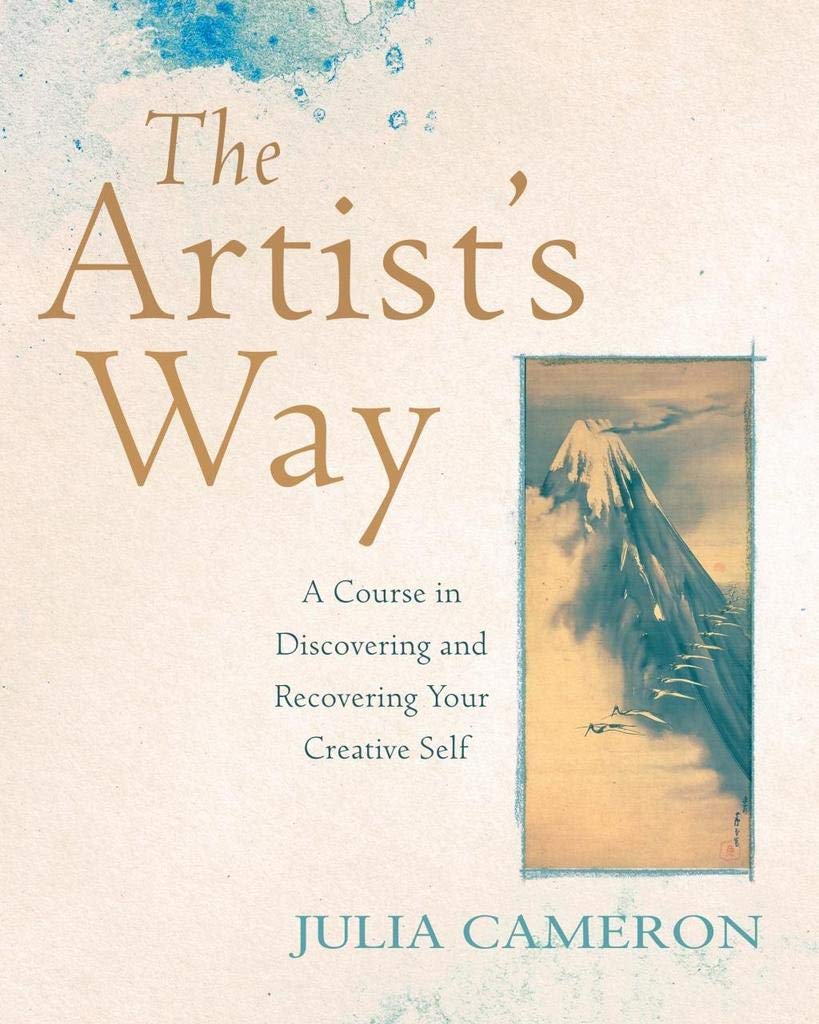
  • Maybe these are a little too brief, and you crave something deeper, more inspiring. Maybe you need a complete recharge? Well, why not have a go at Julia Cameron's acclaimed book, The Artist's Way. The one-time Scorsese collaborator and spouse has built a little empire out of her soul-searching, exploratory and guilt-free take on creative motivation. It even comes with short exercises! 
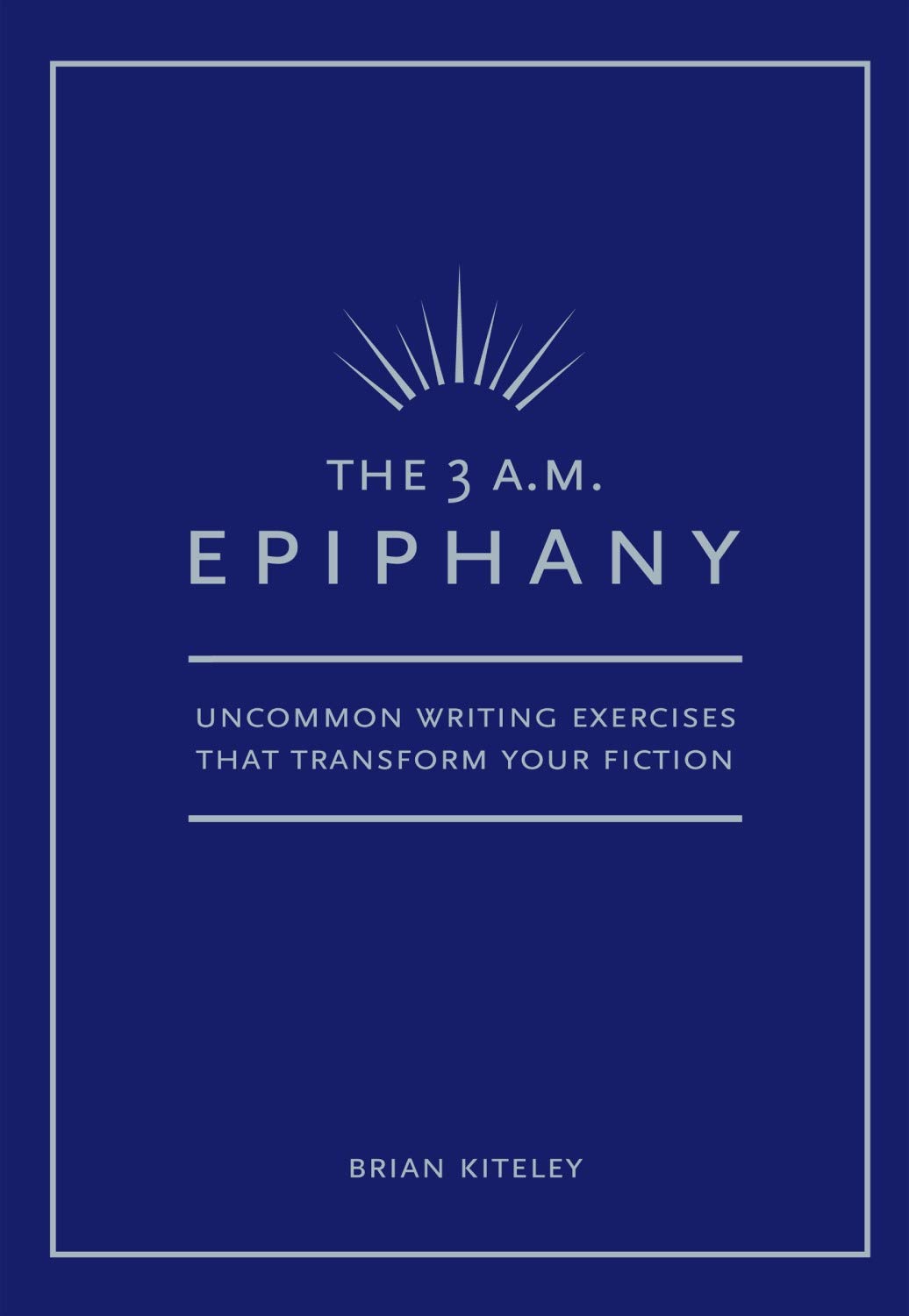
  • Indeed, if exercises are your jam, places like Kindle are awash with workbooks and writing exercise manuals for dirt cheap - just type in Writing Prompts/Exercises/Workbook. Or, if you want something physical, try The 3 A.M. Epiphany: Uncommon Writing Exercises That Transform Your Fiction by Brian Kiteley.
I hope these help you out in getting back on the writing bike. Of course, I reiterate again this: These are times humanity has not had to collectively live through since before the middle of the last century. Don't feel guilty for not writing, and don't feel guilty for being anxious. You owe no one anything - the industry will still be there, and it will, when you want to get back up. Right now, the focus should be on you - getting through, looking after yourself, and, most importantly, not stressing yourself. If it's baby steps, it's baby steps - no reason to be ashamed.

Stay safe.

Friday, 1 May 2020

(Not) Writing in the Time of Covid - And why you should not feel bad

Hey. Been a while. Longer than I had promised or planned for.

Funny how fast things change. I had articles in mind, projects I wanted to talk about, things I wanted to say as lockdown went into effect. But then, reality came in, and before i knew, March 31 became April 15, and then May 1. Time became a blur, broken up only by biscuits and watching back old Two Fat Ladies episodes. I just, for as much as I wanted to, couldn't find the will to write. I wasn't depressed persay, but I just couldn't type, or scribble. I just wanted to lay back and let the world run by.


My story is not alone, and sadly, many writers are in worse straits than I. Family, finances, food, relatives getting sick and then, sadly, not making it - it's heartbreaking how in 2020, so many social evils are still permitted to run through our society, hurting the vulnerable. These are tough, scary and unpredictable times, and you know what - there's nothing wrong with just waiting.

There isn't. At all.

AT. ALL.

Anyone who tries to guilt and call you a failure because you're not writing is, to put it mildly, a complete and utter tool. You owe no one anything - the industry will still be there, and it will still be, when you want to get back up. Right now, the focus should be on you - getting through, looking after yourself, and, most importantly, not stressing yourself or giving into harmful mindsets. If your idea of coping is playing games or watching movies or playing with your kids or pets, or even just laying back on cushions and chilling to something smooth on iTunes, do it. You are not committing a crime: you're just getting by.


And it is easy to think that all there is is darkness - news and the social media cacophony of the ignorant and the doomsaying can be crushing. However, there are, and is, bright spots: the timescale for a vaccine/treatment has been shrinking, down from 18 months, to 12 to potentially within 2020 (obviously, a cure existing and being widely distributed are different things, but still), in addition to the titanic research effort around the globe; global recovery rate of victims is 4x the death rate and has passed 1 million; the job market will now see the use and need for work-from-home, meaning certain sectors could be greatly levelled in favour of people with circumstances that would make office commutes difficult (financial, family, disabled); there's greater awareness of the challenges facing freelancers, and there's has been greater calls for not just support, but potentially rethinking the system and what securities they have. Plus, public sanitation and hygiene is probably the highest it's been in forever, and companies/local governments will have to maintain that if they want anything to happen economically so, again, another plus.

I know it's cold comfort for some, but we don't help frontline workers or the vulnerable if we only ever think in the purely negative. And, just as importantly, we don't help ourselves. Don't feel guilty for not writing, and don't feel guilty for being anxious. We all are. These are times humanity has not had to collectively live through since before the middle of the last century. But, like the tides of the sea and the consistent satisfaction of a chocolate digestive dipped in tea, there will always be a tomorrow.

Take care.

Sunday, 5 May 2019

Joe Carnahan and the Importance of Screenwriter's Etiquette

Consider this a sister piece to both my blog on the response to Sarah Phelps' ABC Murders from Christie fans, as well as my recent writing on things I wish amateurs would stop doing. There'll be a lot of crossover in what is said here, though the target in the former will be different.

Smokin' Aces and The Grey writer-director Joe Carnahan (who's probably just as well known for blockbusters he ALMOST made, such as Mission Impossible III, Uncharted and Bad Boys 3) has a new movie out: a low-budget superhero picture titled El Chicano, centering on an LA detective out to avenge his brother and donning the titular mantle. A big part of the production's press revolved around how hard Carnahan and the film's director pushed for an all-Latino cast, recognizing a vital demographic.

All seems well so far, but then reviews came in and weren't too flattering. One moderately positive review by Carlos Aguilar, that questioned some of the representational choices in the film, got real heat from Carnahan, who went on an anti-critic tirade.


Backlash ensued, and Carnahan deleted his twitter. Not long after, other screenwriters chipped in with takes on Carnahan's behaviour:

Stuff like this always frustrates me: it's stupid, pointless and it's a bad example for other creatives. Making a film, or any piece of media, is a long, grueling and often frustrating process that can, and will, trip you up many times. I get Carnahan's passion for his work (just watch any of his interviews) and why one would feel so defensive of it. That just comes with being a creative: if you didn't have passion, why did you create?

That said, a thick skin is a basic survival tool in any type of collaborative business and with it, the ability to stop, breathe and think. What has Carnahan proved or gained by blasting Aguilar? If it's about the writing quality, why not cite and explain the issues you had with the review's construction? Why not create a constructive dialogue with a critic so that both you and they learn from it, instead of shouting it down?

The truth of internet fire-fights is pretty much no one, regardless of position, comes out looking good. The rapid-pace nature of social media is catnip to impulsive decisions and the lack of face-to-face contact emboldens the worst behaviours. It's a dangerous cocktail that can tempt even usually smart people into poor argumentation and worse decorum.

And now that we've taken 'stupid' and 'pointless' to task, let's now dive into 'bad example': this is a terrible way to handle critique. As I mentioned in my Amateur Screenwriters piece, people are not out to get you when they say something you wrote needs work. They are not denying your 'genius', and they are not forcing you to conform to whatever dogma they may subscribe to. Nothing gives you the right to be abusive or sharp with people who have given you their time to engage with your art and, in some way, give you feedback.


Does that mean you blindly agree with everything they say and have no right to defend your work? Of course not, but being open-minded, as well as showing restraint, are vital tools if you want to make it as a screenwriter. If you get fiery right away or misconstrue critique of the work as personal attacks, you won't survive long. If you can't take feedback or notes, much less one like Aguilar's review where it's balanced with positives, how can you expect to work with other people and improve both yours and their work? Conduct and etiquette are important and often overlooked parts of an artist's toolbox.

So, what's a way of dealing with negative feedback that allows for said better etiquette? Well, a teacher of mine had a great saying, 'look for the note behind the note'. If you feel like a criticism of something you made doesn't make sense, rather than start attacking, put some distance between you and the critique and think: why would they say this? Is there a choice I made that made them take away that impression instead of the one I wanted? Was it the way a character spoke, or how a scene played out? Did a certain descriptor carry a double meaning I may not have considered?

The fact is, in the social media age, the internet remembers. Be better than trolls or fanboys or general malcontents, and not give into the first thing that pops into your head when someone says something about your work. And don't broadcast it for the whole world to see if you're not interested in being productive or mature.

People check these things now, and your online activity paints a picture of you before they ever meet you. Whether you're amateur or pro, knowing how to take the hits matters as much as dishing them out, especially if you still want to be in the fight. No amount of credits or fiscal success entitle you to belittling or bullying others, nor take said success for granted. No one is bulletproof, and manners go a long way.

Monday, 29 January 2018

Screenwriting Advice for BA Students... From a Masters Grad (Part Six: Why it's okay to fail)

And now, in the homestretch, let me put on the brakes and give you some sage words. Words that I've come to appreciate after my experiences, and words which I didn't fully get until I lived them:

Making mistakes is not the problem: NOT learning from them is.

You're a new screenwriter, still finding your voice and what genres you are genuinely the best at. You'll make mistakes, no matter what you do. You'll write flaccid dialogue or wonky structure or poor characters. You'll make something too big for your level, both in industry terms and your own writing experience, and you'll make something too small, that has no appeal or story engine.

And you know what? It's okay.

No really, not setting you up: it's alright to make mistakes and write crap. It's not the end of the world if your first or second script suck the big one and make no sense: you're still learning. Getting to the end of a draft is a victory: do you know how many people can't even make it to page 30? Being able to do a complete rewrite is another victory: how many people stupidly think their first draft is perfect?

However, these small victories will mean nothing if you can't exercise, arguably, the most important tool in your writing arsenal: critical thinking. Learn and understand why something isn't working, and then develop ways to fix it. How can you make this line of bad dialogue sing? How can you make this boring character interesting? How can you make this moment of tension even bigger? Trial and error, that's how. It's slow, it's tedious, but worth every second.

You know that else? Projects can collapse on you: talent will back out, money gets lost or overspent, scripts will not work out etc.. Just this past year, I had a fantasy feature and a sci-fi short die on me. Last year, staffing on two webseries. You take it in, have a deep breath and, if you really want this career, soldier on. Again, learn from it.

You know the one mistake that is genuinely inexcusable? Being an arrogant tit.

I've remarked on it before, but I'll say it once more for those suffering from selective reading (a common malady on the internet): 
If you're a pain, no one will work with you.

You're a no-name at the bottom of the heap, untested and unproven: you DON'T get to act all big and tough, telling people more experienced than you that they're wrong. If you can't be bothered to write a decent logline, or a comprehensible synopsis, or even just being able to state what your project's about, why oh why, do you think ANYONE will treat you with respect?

In what fairytale la-la-land do you think you can get thousands, nay, millions, of pounds/dollars invested in you with poorly spelled, generic, bland and whiney proposals and scripts? Really, I'd love to know: it'd make my life a whole lot easier.

Just look at this joker from a Facebook screenwriting group (he's asking for an actor, but I've seen countless wannabe writers do the same thing). When I tried to point out that his presentation was uninformative and unprofessional, look what he wrote in response (top comment):

I am sick and tired of seeing lazy pitches like this on FB, as well as forums like reddit, Stage32 and Amazon Studios. I am fed up with this missplaced sense of entitlement and bad attitude towards your peers. If you think, even for one second, that the industry owes YOU something, you're out of your mind. If you think you can just waltz onto a forum or Facebook group and DEMAND things, like exec emails or producers' cash, you're also nuts. And if, and this is arguably the worst yet, get snippy and defensive when people try to HELP you, then please, do society a favour and check yourself in.

Harsh? Yes, but necessary: it's such a basic mistake that, by avoiding, you already put yourself light years ahead of the competition, just like with basic proof reading and saying 'thank you'. Everything about being a screenwriter is in the details. Take it from Joe Carnahan:


And with that, we've arrived at the end of our strange little journey. I really hope you found this series of use and will, at least, be spared a few headaches. Like I said before, I can't give you miracle cures or cheats: I can only tell you what I've learnt and am still learning. I'm still a student of the medium, and I'm well aware that there will be ups and downs along the way. There will be producers I don't impress, or scripts I can't finish, or series I can't get involved with, but you know what? I'll still keep going, because I know I've got the tenacity and hunger to want it that bad, and to work that hard.

Tuesday, 5 December 2017

Screenwriting Advice for BA Students... From a Masters Grad (Part Two: Freebies)

Now, where were we?

Ah yes, FREE screenplays.

Something to note: beware of 'script sites' that are just transcripts of TV episodes and movies, like SpringfieldSpringfield. They are not accurate in formatting by a long shot, and don't even serve to help analyze a given story all that well as they're usually poorly written and hard to read. Basically, if it doesn't look like this, don't bother:


Instead, here's where you can get actual screenplays for film and TV from:
But it's not only free scripts you can score over the interwebs: how about advice and tutorials? An immediate reccommend is Bang2Write, run by veteran consultant Lucy V. Hay. It's a one-stop shop, filled with great articles and lists on just about every facet of screenwriting you could want to know, told in a humourous and snappy style. Another good resource is BAFTA: they have an acclaimed series of lengthy and informative lectures by major screenwriters, including Emma Thompson, Hossein Amini, Charlie Kaufmann and David S. Goyer.

Furthermore, many of the gurus have websites full of resources, related to their paradigm (like Save The Cat), as well as The Writer's Store and Scriptmag.com. There also exist a number of smaller sites such as the newer but pretty decent Word Dancer (it even has a complimentary Youtube channel) and TheBitterScriptReader (more geared towards the US, but worth a gander).

What about writers' blogs, as in, blogs run by actual, working writers? Danny Stack's site, Scriptwriting in the UK, is a great one: just like his book, Stack talks about everything and anything related to the business and craft. Another favourite of mine is Wolfblood creator Debbie Moon's blog, loaded with war stories, as well as some very helpful tips and tricks on what to do and where to look.

There's also  some podcasts you can listen too: Stack and Tim Clague strike again with their popular UK Scriptwriters Podcast, while over in the US, John August (Big Fish) and Craig Mazin (The Huntsman: Winter's War) have ScriptNotes: both discuss the industry climate, interview guests and offers all sorts of advice and weird stories.

So, you know have your books and scripts. Read as often as you can: in bed, on the bus/tube/train, during break and lunch, even on the tried and tested loo. It may seem obivous, but I want to smash my head against the wall with how many writers DON'T READ scripts and can't name screenwriters (Seen it with my own eyes too). Quick question: how on earth do you expect to get work if you don't know who's done what?

But surely, this isn't enough: you also need to do a Masters degree next, in order to really seal the deal. Or, maybe, you abhor academia completely and just want to go it alone. After all, Tarantino and Paul Thomas Anderson did, so so can you! It's just that black and white of a choice, right? Right?

Join me in Part Three when I talk about courses and the value of your education.

Wednesday, 22 November 2017

Screenwriting Advice for BA Students... From a Masters Grad (Part One: Reading Time)

All right then, ye student screenwriters, let's start with the basics: learning the craft.

Your course has, doubtless, provided you with a reading list, as well as some scans of specific book chapters on Moodle (or whatever your school's upload platform of choice is). Here's my two pence on the matter: a good screenwriting manual should be an informative and simple guide to screenplay construction. It should cover all the key elements (Character, structure, plot, theme, genre, drafting, outlines/treatments) with recognisable examples (Fellini and Bergman are geniuses, but I think a newbie will get more out of a comparison to Spider-Man 2 than Fanny & Alexander when first introduced to writing concepts) but never drowned in arcane or flowery language that's not useful when you're in trouble. Everything you learn must have a practical application; otherwise, it's a waste of time.

A key phrase that'll crop up again and again in these posts is Be A Discerning Shopper: You should definitely be using the reading list, though look up the books in the library first, peep in the bookshop or use the 'Look Inside' feature on Amazon. See how they read and if you can understand them before you put down cash. Some are easy and user-friendly, but not very informative, while others are very profound and detailed, but only useful at a very advanced level.

If you're flying blind, the amount of screenwriting books out there is astronomical, and seperating the wheat from the chaff can be very hard, especially if you're also on a budget (even on Kindle, the costs can add up fairly quickly if you need several for a course). The most common, and the ones that'll most likely be assigned to you, are:
  • Screenplay: The Foundations of Screenwriting by Syd Field: the grandaddy of all screenwriting books and teachings, everyone's copied or borrowed from this book in some way. Three act structure, characters and their motivations, dialogue and its subtext, it's all here.
  • Save The Cat! The Last Book On Screenwriting You'll Ever Need by Blake Snyder: the book that is alternately thanked and blamed for modern Hollywood practices, Disney scribe Snyder created a durable 'beat sheet' to help one structure and plot out a movie that would be A) commercial and B) keep the interest of cynical readers and jaded audiences.
  • Story: Substance, Structure, Style and The Principles of Screenwriting by Robert McKee: Possibly the most famous screenwriting book (thanks to its simulateanous lampooning and exhultation in Spike Jonze's Adaptation), the notoriously blunt McKee drills you like a cinematic sergeant in digging for 'the truth' in your story and characters, while battling the terrible scourges of cliche and hackneyed psychology.
  • Joseph Campbell's The Hero With A Thousand Faces and Christopher Vogler's The Writer's Journey: these cover the old chestnut of 'The Hero's Journey', first coined by anthropologist Campbell in the 1940s as a common pattern of storytelling tropes in classical mythology, and then popularised by George Lucas via Star Wars. Vogler's book more specifically contextualises it in film terms, with references to Star Wars as well as Wizard of Oz and other film fantasies.
  • Writing The Short Film by Pat Cooper and Ken Dancyger: Most likely the first book you'll get assigned. Basically, same gist as the first three, but applied to short films. Also, Aristotle's Poetics will be referenced A LOT by these books and your teachers, as it's basically the foundation of most dramatic writing theory.
Some others that may pop up, though slightly less well known or popular, include:
Head spinning yet?
And these are just the common ones.

For writing normal films...

What your course uses will vary, depending on your tutors. Be sure to ask what one they mainly use, as that's the one you may have to shell out cash for, just to keep up with classes. If your tutor's not too strict on using a specific tome, that gives you some wiggle room to use the one that's easiest to understand (If you're not already from a Literature or Psychology background, Poetics and Thousand Faces can be a slog to get through due to their language, and McKee is geared more towards an experienced writer than a newcomer, given how much he leans on dramatic theory and psycho-babble, some of it ripped straight from Aristotle).

Remember: everything must be practical. No one will give you a prize if you know some obscure Latin or French word if you can't write a halfway interesting story. Conversely, you're not original if you shriek, 'I hate formulas! I don't read! I wanna be rule-breaking!': everyone has said this. EVERYONE. Plus, how in the nine realms of Asgard can you break the rules if you can't be arsed to learn them? Yeah, sounds stupid now, doesn't it?

And then, as you get closer to graduation and want to open your options further, what else could you look up? Well first, here's one that, I think, should be mandatory for screenwriting graduates  and, to any film teachers and tutors reading this, ADD THIS TO YOUR READING LIST FOR THIRD YEARS:
  • The UK Scriptwriter's Survival Guide: Veteran film and TV scribes Tim Clague and Danny Stack (Eastenders, Doctors, Thunderbirds Are Go) give a practical, no B.S. guide on what you can do to help yourself get a foothold in the industry. It only came out in 2014, but I honestly believe this should be compulsory reading for all new screenwriters, as it will open your eyes to many possibilities, as well as give you useful tips and tricks to navigate the business.
And that's not all:
  • The Insider's Guide to Writing Television by Julian Friedmann: like Clague and Stack, it's a practical guide to British television writing. However, it is more geared towards business over the craft: The next three are more about the American system, but have more actual craft advice that is crosstransferrable to British shows. Ditto Making it as a Screenwriter by Adrian Mead.
  • Writing the Pilot by William Rabkin and Crafty Television Writing: Thinking Inside The Box by Alex Epstein are two popular staples, as well as newcomer Write To TV by Martie Cook. The market of TV gurus is a lot smaller than film, so being overwhelmed by choice is not as big a danger. These cover all you need to know about writing effective pilots, crafting shows with long term story potential, and what seperates a film from a TV character.
  • The Creative Essentials series of books cover different types of film and television writing, including comedy, thrillers and soaps, as well as other roles/elements such as script editing, reading and pitching. Contributing authors include Robin Mukherjee, Lucy V. Hay (more on her next time) and Charles Harris, among many others.
  • Of course, no matter if you go for film or TV, you still need to make sure your work is presentable. Your Screenplay Sucks: 100 Ways to Make It Great by William M. Akers and How Not To Write A Screenplay: 101 Common Mistakes by Denny Martin Flinn are good smack-across-head reminders of rookie blunders that can cost you dearly.
  • Formatting woes? Try The Hollywood Standard by Christopher Riley to know how a script should be presented.
Now, you can use any of the titles above, but if you're more adventurous and want to give a go at a newer book, what should you look out for?
  • Author's credentials: make sure the writer is/was a working screenwriter, producer or development person, and has a decent amount of credits. They may not have worked on Breaking Bad or be BAFTA winners, but they've been where you've been, know your struggles and will be living proof of the effectiveness of their methods. People who are solely teachers will have less awareness of the demands of the industry, and may not be as helpful in giving you a realistic outlook or proper tools.
  • Gimmicks and cheats: I'm highly suspicious of any 'quack' miracle cures and formulas in these 'secret'-style books. 'Write a Great Movie in 10 Days', 'Write An Awesome Screenplay in 30 Days Or Less', 'The Secret Hollywood Formula: How you can write a blockbuster that sells', you'll know it when you see it in shops and on Amazon. It's snake oil: Good craft takes time and being able to write well, not to mention consistently, has to be learnt and earnt. There are no shortcuts and searching for them is the hallmark of a unready screenwriter.
  • Date: If it's focused solely on writing craft, then it's not a huge concern. If it also touts the business side, however, then aim for a book released/revised within the last 5-10 years, as the industry changes faster than ever before. Also, CreateSpace allows lazy authors a means to upload ancient books in sleek new packages, filled with outdated advice and terminology that won't help you, so beware anything that looks cheap or too new.
Returning to budget concerns, how many books should you own? Well, having a library card can be very helpful in balancing things, but I feel you should own a few, just to refresh yourself during breaks or holidays abroad, or to consult during writing. Minimum should be at least three or four: two on film, one/two on television, and then Clague and Stack's book as your job manual. 
Of course, you'll only get so far without knowing what a screenplay actually looks and reads like. There are printed screenplays available, usually for really acclaimed works like Pulp Fiction, Chinatown and Big Lebowski, but the format is often truncated to fit the smaller page size of a book, meaning a script that's actually 100 pages runs to 150. So, where can you read proper sized ones?

Join me in Part Two, when I look over how to find them, and what your free online resources are.

Friday, 17 November 2017

Screenwriting Advice for BA Students... From a Masters Grad (Introduction)

Oh joy, another writing blog with advice and recommendations. 

How novel. 
How inspiring.
How impactful.

But this time, it's for students. Wait, what?

Why single them out? Because I know what it's like for you right now, and I wish someone had told me what I'm about to tell you. Yes, you. The e-surfing student reading this right here, right now. You're not sure where you're heading, not sure where you are right now, armed with a degree you're not completely clear on and having just finished a grad script you're not entirely sure of.

I know that tune. All too well.

Being a BA student with screenwriting desires is hardly a new or unique phenomena: you realize directing isn't everything it's cracked up to be, and you just don't have the piss and vinegar to be a producer. So instead, you create that first step in any production: the script. You dream of Hollywood paychecks on franchise movies and Oscar glory, or perhaps the hordes of adoring fans at Comic-Con when you become a hot new Netflix showrunner, cranking out binge-friendly series and starting tumblr shipping wars by the thousands.

However, as soon as graduation is done and you start trying to get out there, you find the environment hostile and disheartening: agents won't look at you; producers and companies hide behind the seemingly invincible clause of 'no unsolicited submissions'; that short film that you slaved on during graduation isn't cutting it at the big festivals; even your precious degree doesn't make any impact. The day job at Sainsburys or Subway is still your day job six months, possibly even a year, on. Nothing's changed and, seemingly, nothing will. It's all been for nothing and you should've listened to Mum and become a lawyer instead.

You're wrong. So very, very wrong.

Soon to graduate from the Met Film School MA Screenwriting programme, and with some work experience on the horizon, I learnt a lot that, in retrospect, I wish I had known when I graduated with my BA in Film back in 2015, only to meet with failure and confusion for two years before signing up to Met in desperation. Some of it felt so obvious yet, bizarrely, was never discussed back at University. Certain half truths of the industry and its ways that I once thought were absolute gospel were, basically, fictions. In short, I didn't know jack.

Examples of these semi-fictions?
  1. AN AGENT DOES NOT GET YOU WORK.
  2. YOU DO NOT NEED AN AGENT TO TALK TO A PRODUCER OR DEVELOPMENT PERSON.
  3. YOU DO NOT NEED TO SLAVE AWAY ON JUST SHORT FILMS FOREVER.
  4. THERE'S MORE TO SCREENWRITING THAN MOVIES AND TV.
  5. YOUR SKILLS ARE CROSSTRANSFERABLE AND CAN WORK IN MANY ROLES.
Interested now?

The goal of this series of posts is to help you, the graduating or even second year Film student with an eye for screenwriting, make smarter, stronger, clearer choices. I'm not here to give you magic formulas or exec emails, but to simply better prepare you for the industry and how you can actually make contacts, opportunities and yes, even a bit of money at it, even if it's not on blockbusters and prime time dramas. I should know, because I'm doing it right now!

The first part will be released next week, and every installment subsequent will be released fortnightly.And even if you're not a student and are just some fresh faced, wannabe screenwriter in the UK, then I hope these will be of service to you too.

Now then, are you sitting comfortably?

Good, then join me in Part One, when I look at the basics of craft and what you should be reading. Advance tip: get a library card.