Showing posts with label COVID-19. Show all posts

Monday, 24 August 2020

Do you need to write social distancing into your screenplay?

The industry is picking itself back up, with shoots resuming under new guidelines. Testing, social distancing, PPE, bubbles - all measures there to protect cast and crew. All of which, also, will impact how productions are filmed and directed and, in turn, how they will be written in the immediate future.


The question that I've seen pop up among screenwriters is, 'Do I have to write in social distancing in a script? Does this mean stunts and romance are out? Are my thriller and action specs, or anything with a lot of more intimate scenes dead in the water?'

The long and short answer are: No. At least, for spec scripts.

If you are going to make it yourself, or will more directly know the people doing it, then yes. There, you have a more direct responsibility on what is likely, a lower budget production. But in most cases, the people who are asking this question are thinking of agents and production companies i.e. the classic way into the industry. Having spoken to three different development people at Mammoth Screen (Endeavor, Victoria), Hillbilly Films (Tin Man) and Hartswood (Sherlock, Dracula) respectively, the answer was all the same: leave that to production, just focus on the writing.


In addition, specs I have been sending out to both types have received no rejection or disqualification, by virtue of having been written, pre-pandemic, with those larger elements. The industry has had to find ways to make these aspects doable - realistically, you can only work around them for so long. People want romance and action and other types of more physical, close up scenes in their shows. To this end, projects like The Batman, Jurassic World: Dominion and Fox's War of the Worlds have been getting back up and running with new protocols. Richard Clarke, director on WotW, has been documenting it on his Twitter.

Writing has undeniably been made harder because of Covid disrupting our routines. I've certainly talked about this plenty. The broader economic woes don't help much either. However, this at least one aspect that you shouldn't concern yourself with much - the focus, as always, should be on quality writing.

Stay safe.

Thursday, 30 July 2020

Writing in the Time of Covid - How to get back up, and why little steps are OK

Not feeling up to it? Still out of sorts? Just 'vegging out' when you're at the keyboard, with another cuppa?

mmmmm....

Well, that means you're a writer. You're procrastinating, a rather undervalued part of the process. However, all jokes aside, you may have felt more 'out' lately, burdened down by the worries of the wider world and feeling, paradoxically, like you have to write, yet have no energy for it. As I've said, COVID-19 is a collective trauma - everybody's dealing with something. You are not alone, nor should you feel guilt for something you have no control over.

Now, as to what you can do? I've got a few suggestions (some discussed before, but I've thrown in some newer ones) to help you slowly, in small doses, get your groove back up:
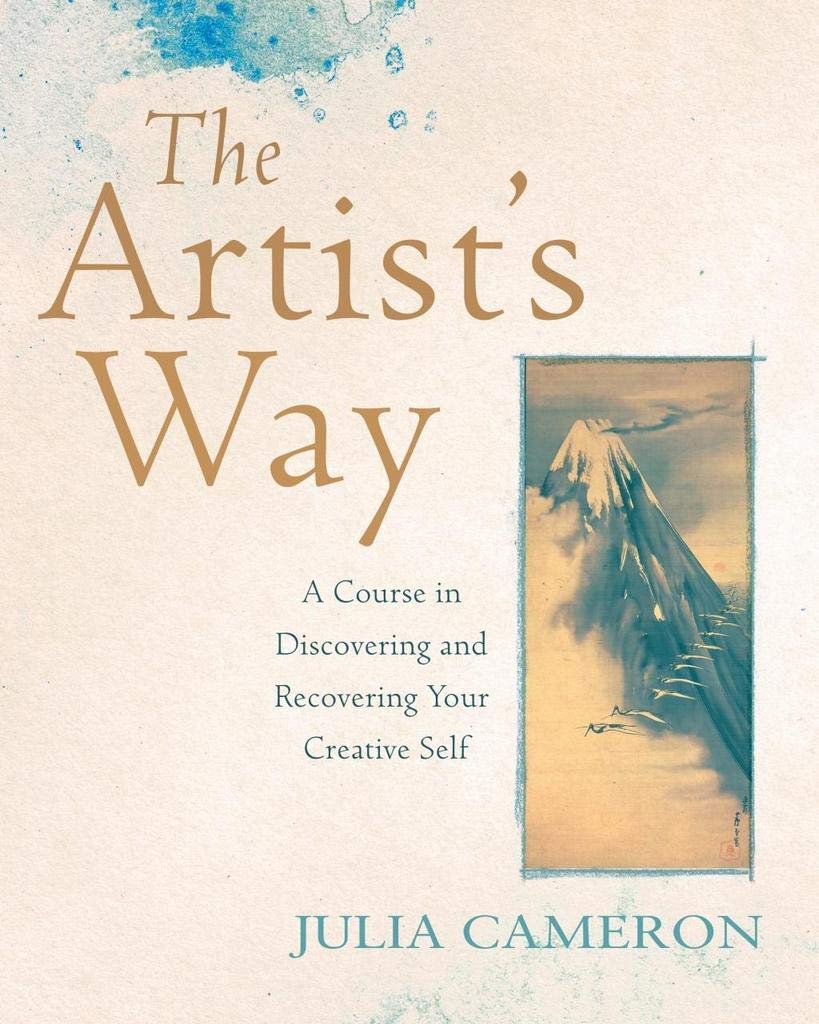
  • Maybe these are a little too brief, and you crave something deeper, more inspiring. Maybe you need a complete recharge? Well, why not have a go at Julia Cameron's acclaimed book, The Artist's Way. The one-time Scorsese collaborator and spouse has built a little empire out of her soul-searching, exploratory and guilt-free take on creative motivation. It even comes with short exercises! 
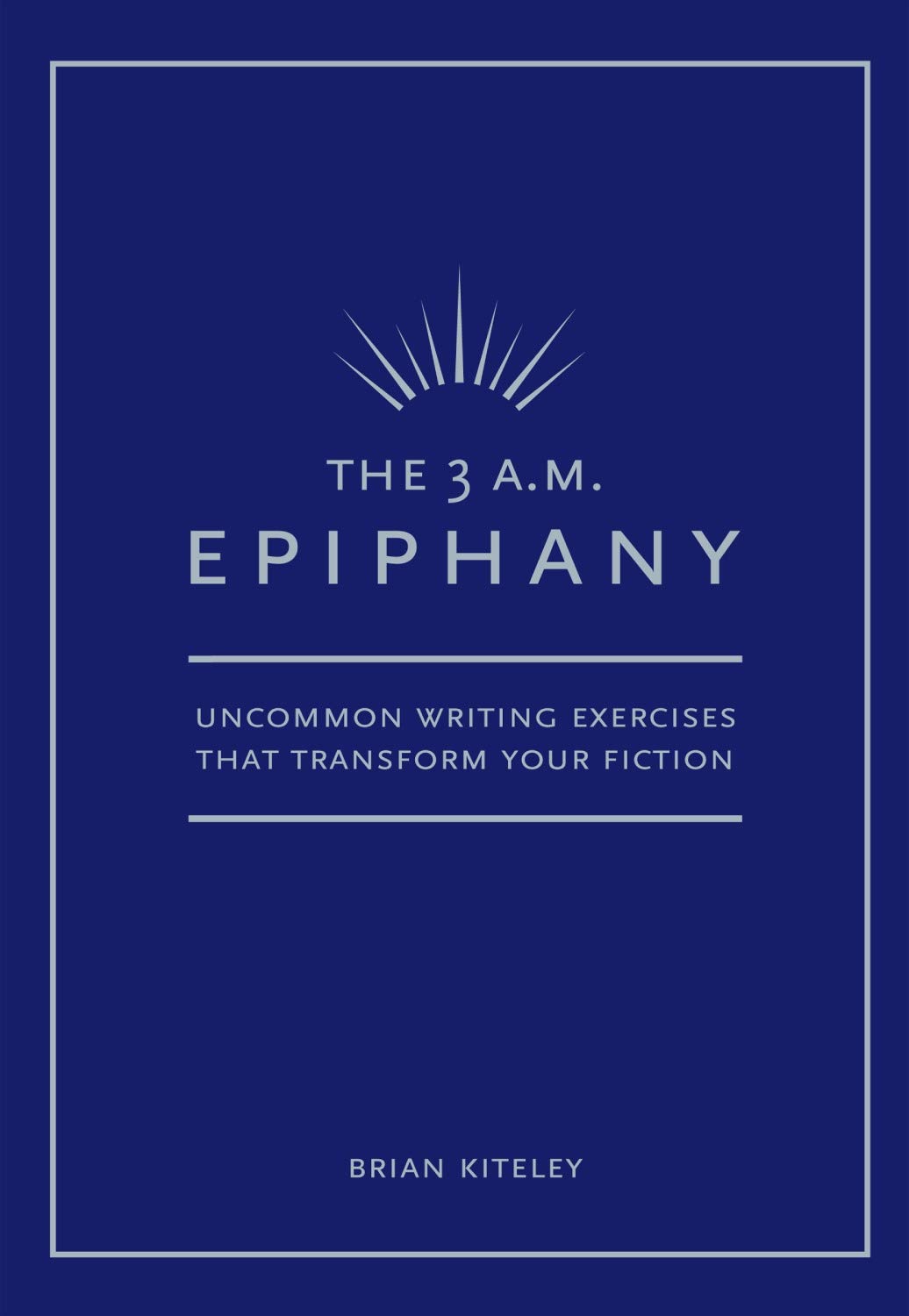
  • Indeed, if exercises are your jam, places like Kindle are awash with workbooks and writing exercise manuals for dirt cheap - just type in Writing Prompts/Exercises/Workbook. Or, if you want something physical, try The 3 A.M. Epiphany: Uncommon Writing Exercises That Transform Your Fiction by Brian Kiteley.
I hope these help you out in getting back on the writing bike. Of course, I reiterate again this: These are times humanity has not had to collectively live through since before the middle of the last century. Don't feel guilty for not writing, and don't feel guilty for being anxious. You owe no one anything - the industry will still be there, and it will, when you want to get back up. Right now, the focus should be on you - getting through, looking after yourself, and, most importantly, not stressing yourself. If it's baby steps, it's baby steps - no reason to be ashamed.

Stay safe.

Monday, 1 June 2020

What next for UK Film & TV? - A Response to Ewan Morrison and John McVay

Crystal balls are not much help right now, as everything is in flux and could go any which way. June looks like a make-or-break month: thus far, VE Day and other bank holidays haven't lead to an explosion in cases, but will that hold true as kids go back to school and shops reopen?

On the Film & TV side, it's also very touch and go: Soaps are developing strategies to shoot and keep elderly actors off as much as possible, with Emmerdale resuming operations last month, Coronation Street next week and Eastenders aiming to do so by June's end. What's more, Warner Bros., Disney and Netflix are working with the Tory government to restart in the next month or so, with safety measures, on major productions like The Little Mermaid and Matt Reeves' The Batman. Ideas being put forward include skeleton crews for filming; actors doing self-makeup; floor markings; minimizing stunts; prioritizing outdoor shooting and favouring local crews.


But that's now - what about new productions? What kind of shows could be made? Well, the BBC ran a piece, interviewing several high-profile industry folk on that question. Among them were screenwriter Ewan Morrison (The Outlaw King) and PACT boss John McVay, who voiced thoughts and concerns. The main ones being settings for shows, as well as scale and logistics.

Both raise valid and important points: the bigger the project, the more headaches it will be to keep everyone safe. The reduction in spectacle, too, could lead to some more creative filmmaking and storytelling that isn't reliant on eye-candy to woo audiences - indeed, such a cost cut from budgets could lead to some leveling of opportunities for lower-tier writers to staff on more prestigious shows, now that you don't have to fret so much over money. Morrison's remark about seeing more shows in both smaller yet more fantastical locales like space or underwater could lead to a resurgence in domestic genre programming, which is great for nerds like me who want more homegrown sci-fi and fantasy (and even work on them...).


From my end, I think the idea that we could be entering an era of more conservatively budgeted shows that could, as a by-product, take more risks (in slight difference to Morrison's view) is a huge-plus for new talent, an issue that both Film and TV have, admittedly, not done a great job of engaging with. Apprenticeships and prizes are all well and good, but newcomers need solid, professional credits to get anywhere. That said, this is still a short-term solution: like it or not, you can only reskin a confined show so many times before people will want to see dragons and armies again. A healthy industry, regardless of circumstance, is one that produces a variety of content - too much in either high or low is bad for creatively, careers and culture. Expensive shows limit who can work on them, but cheap ones will only be able to take on so many people. In addition, depending on the show, certain people may get left out altogether: make-up artists, special effects artists, set designers, costumers, stunt people etc.

Like it or not, McVay must know that eventually, big shows will have to start up again. You're dealing with months, if not years, of contracts, deals and other paperwork behind these big-timers, and far too many types of professionals who need the work. You obviously don't want sets to become outbreak points, but this, like so much else in the Covid pandemic, is the result of various societal problems crashing into each other. I think this present anxiety is based on an idea of Covid remaining exactly as it is right now, which no version of the science, optimistic or pessimistic, supports. As discussed before, our understanding of Covid has rapidly changed, and relatively fast. Even if we don't get a vaccine by year's end, we will likely have measures, and probably treatments, in place to file off the worst parts (ala HIV).

As for Morrison's 'resurgence of big-budget animation' prediction, I'm going to have to err on no from a drama POV (though Morrison doesn't specify what age-group he's indicating: does he mean a four-quadrant British Pixar, or a return to the more experimental days of Watership Down and The Plague Dogs?) Anyone involved in animation fandom has seen this crop up many times over the years - the odds of the BBC or ITV making what amounts to British Anime (animation meant for a prime-time audience that isn't strictly comedy, to pick up the current need for drama shows) is pretty much a non-starter. Amazon and Netflix might (and have) in small doses, but by the time you could get a dramatic show animated, the live-action industry will likely have found workarounds on how to shoot, thus rendering it moot in most cases.

Plus, working from home doesn't mean the process'll go any faster in creating regular cartoons and adult animated series - material still has to be vetted, altered and given notes, in addition to all the pre-planning like designing, storyboards and animatics.


In so far as Morrison's worries over Covid being an excuse for producers to double down on adaptations - on the one hand, that's a real risk. In times of trouble, people stick with what's familiar. People who already bemoan our TV being dominated with novel adaptations have every right to feel frustrated, and that IP value is only going to increase as companies need to carefully marshal resources and pick the best project to get a return on.

At the same time, however, I do think we must be careful not to adopt a dismissive attitude (especially not after Morrison advocated a progressive stance with genre content earlier in the piece) - in times where money will be tight and people, including and especially children's, access to the arts is going to be impacted, Film and TV could pick up the slack and introduce classic works to new generations. How many of our favourite books, sometimes the very things that inspired into creative careers, came out of us watching the movie or TV version first? And, frankly, shouldn't creating quality productions matter more than where they came from?

Something which the article doesn't touch on much, but anyone active on Twitter and the like has seen, is the indie debate. There, the question is could this be a new golden age for independent films and content that can be made with few resources and people? Some seem very confident in it, and I see the rationale, but there's a flip side: these projects may be more open and able to social distance, but the lack of money also means less PPE and safety measures can be put in place. how many actors and filmmakers are going to gamble on a project which pays little-to-nothing, just for exposure? (if anything, the golden age could be for audio productions.)

It will be tough - you're effectively rewriting decades worth of habits and practices in a matter of weeks. For newcomers, it's a scary time and it seems like it could all vanish at the drop of a hat. For veterans and even for those of us who have climbed up the first couple of rungs, like myself, it's all on the razor's edge, and only by being wily and careful, can we navigate this.

But, as McVay himself points out, this could be an era of innovation, where cream rises to the top and we find ways to overcome adversity. This could, too, see a meaningful increase in diversity behind and in front of the camera as new opportunities and methods arise. Some doors close, but others could yet open.

Tuesday, 12 May 2020

A Screenwriter's Questions in the Time of Covid - What can you do?

The UK film and TV industries are on one giant hold, and understandably, you as a budding, or even moderately advancing, screenwriter are concerned. Can you talk to anyone? Will anyone read scripts? Can you staff on shows, or ask to staff on them if/when things resume? Will things resume?

I can't offer all the answers, but I can, at least, give some heads up about how you can deal with this present situation.

1. Is anyone still out there?
 Yes, yes there are. Production has stopped (nobody's filming and, ergo, no one is commissioning new material), but development people are still reachable and likely working from home, since you don't need an office to read a script or do other paperwork. Usual decorum rules apply, as discussed in past blogs, but you can still give a roll of the dice and ask a fitting producing or development person if they'd be interested in reading your script.

Indeed, now may be the best time, while people wait and plan. No troublesome commutes or sudden meetings or festivals/conventions - just zoom from home. Space to read is up - it will still take a while, but hey, he who dares...


2. Can I get on a show?
Staffing on a TV show as a writer is, well, out for the time being - that phase counts as part of production, and since nothing is getting made, shows are not getting green-lit/recommissioned and thus, not hiring. I should know, as I was in the middle of talking to a few about this before the penny dropped. How soon they will restart is anyone's guess (many hope some time in the summer, but the more elaborate, international shows may well be out till next year. All depends on if it explodes again or not).

However, all is not lost: keep an eye on the trade presses, as they will keep you up to date on if and when something is coming back. Have a short but sweet email on hand for when it's so, giving some quick praise and why you think x show is great, and why you'd like to write for it (indeed, here is where some part of your background could come very in useful. Do you have an experience or viewpoint that others may not?)


3. Can I still look for an agent?
While I've seen some on groups and threads say not to, I've chatted with some pro-writers who say it's not an issue or inappropriate. Plus, I've been doing it and had no problems with getting read requests. Just make sure you A) Have a damn good script and B) Read the guidelines on the agency website. Chances are, if they get back to you, they will make clear it will take a little longer than normal to reply to you. Like in normal times, patience is a virtue here.

Indeed, this and the first point tie together - getting a referral from someone in the industry will improve your odds of being read, so I'd advise doing it that way first, instead of just sending your script to an agency with nothing. Remember, you still need to stand out on the reading pile from all the slush.

 
4. What should I write? Is a bigger-scale script going to screw me?
With so much unknown yet about finances and travel, it can be really daunting to think about what shows will get made. All that matters, however, is the writing - a badly written cheap show or film won't impress anyone. Passion and emotion will out. Plus, as I've discussed in the past, be mindful of what your goals are at this stage - create and run your own show, or get on producers' radars and get staffed on similar shows and projects? Period pieces, fantasy and anything bigger budget will be much harder in the former category (usually, companies will just buy books and IPs for these), but can be useful on the latter.

Having a nice, tight, contemporary drama serial or feature is never not a bad thing to have on hand, and can work in both scenarios. However, don't trend-chase: if you want to stand out, write a script that is informed by a subject you care about or perspective only you can bring, thanks to your life experiences and history.


5. How can I write? I have no drive for it!
This is a malady which, I'm sure, many will have seen all over Twitter and the like - writers feeling helpless and lost, just ravaging the biscuit tin, or ploughing away on Animal Crossing or Doom Eternal. No matter how much they yearn, they can't summon up the drive to write. You can't set a routine or page count or just get up!

Well, let's turn to some pros for guidance on what you can do to try and get yourself back in some level of gear. First, let's start with a nice all-rounder from a selection of great writing talent, including aces like Sarah Phelps (The Pale Horse) and Chris Lang (Unforgettable). How are they managing?
https://www.alcs.co.uk/news/keeping-sane-solvent-six-audiovisual-writers-share-their-lockdown-advice

Also, screenwriting superstar John August (Aladdin, Big Fish) shares with us his 'writesprint', a planning system, and how it gets him going for the word toil:
https://johnaugust.com/2020/writesprint

And lastly, instead of a read, how about a listen with the excellent Write Along Podcast, hosted by Doctor Strange screenwriter and friend to the struggling artiste, C. Robert Cargill. It's exactly what it says on the packet - primers to help you get out of jams and sticky situations in your writing, as well as figuring out what method works for you:
https://writealongpodcast.com/

Hope those five are of use to you, and as said last time, if just can't, don't. Focus on you first and foremost. Take care all you.

Friday, 1 May 2020

(Not) Writing in the Time of Covid - And why you should not feel bad

Hey. Been a while. Longer than I had promised or planned for.

Funny how fast things change. I had articles in mind, projects I wanted to talk about, things I wanted to say as lockdown went into effect. But then, reality came in, and before i knew, March 31 became April 15, and then May 1. Time became a blur, broken up only by biscuits and watching back old Two Fat Ladies episodes. I just, for as much as I wanted to, couldn't find the will to write. I wasn't depressed persay, but I just couldn't type, or scribble. I just wanted to lay back and let the world run by.


My story is not alone, and sadly, many writers are in worse straits than I. Family, finances, food, relatives getting sick and then, sadly, not making it - it's heartbreaking how in 2020, so many social evils are still permitted to run through our society, hurting the vulnerable. These are tough, scary and unpredictable times, and you know what - there's nothing wrong with just waiting.

There isn't. At all.

AT. ALL.

Anyone who tries to guilt and call you a failure because you're not writing is, to put it mildly, a complete and utter tool. You owe no one anything - the industry will still be there, and it will still be, when you want to get back up. Right now, the focus should be on you - getting through, looking after yourself, and, most importantly, not stressing yourself or giving into harmful mindsets. If your idea of coping is playing games or watching movies or playing with your kids or pets, or even just laying back on cushions and chilling to something smooth on iTunes, do it. You are not committing a crime: you're just getting by.


And it is easy to think that all there is is darkness - news and the social media cacophony of the ignorant and the doomsaying can be crushing. However, there are, and is, bright spots: the timescale for a vaccine/treatment has been shrinking, down from 18 months, to 12 to potentially within 2020 (obviously, a cure existing and being widely distributed are different things, but still), in addition to the titanic research effort around the globe; global recovery rate of victims is 4x the death rate and has passed 1 million; the job market will now see the use and need for work-from-home, meaning certain sectors could be greatly levelled in favour of people with circumstances that would make office commutes difficult (financial, family, disabled); there's greater awareness of the challenges facing freelancers, and there's has been greater calls for not just support, but potentially rethinking the system and what securities they have. Plus, public sanitation and hygiene is probably the highest it's been in forever, and companies/local governments will have to maintain that if they want anything to happen economically so, again, another plus.

I know it's cold comfort for some, but we don't help frontline workers or the vulnerable if we only ever think in the purely negative. And, just as importantly, we don't help ourselves. Don't feel guilty for not writing, and don't feel guilty for being anxious. We all are. These are times humanity has not had to collectively live through since before the middle of the last century. But, like the tides of the sea and the consistent satisfaction of a chocolate digestive dipped in tea, there will always be a tomorrow.

Take care.