Showing posts with label cv. Show all posts

Friday, 1 July 2022

WHAT GOES IN A SCREENWRITER'S CV? - Screenwriter's Survival Kit

Curriculum vitae, CV or a resume - whatever you call it, almost every job requires one. It's basically a combined work history along with a quick pitch for you yourself and your skills. When it comes to writing, there will be times (especially when you are without an agent) where you will be asked for one, or it will be handy to have to provide a little more context about your and your work.
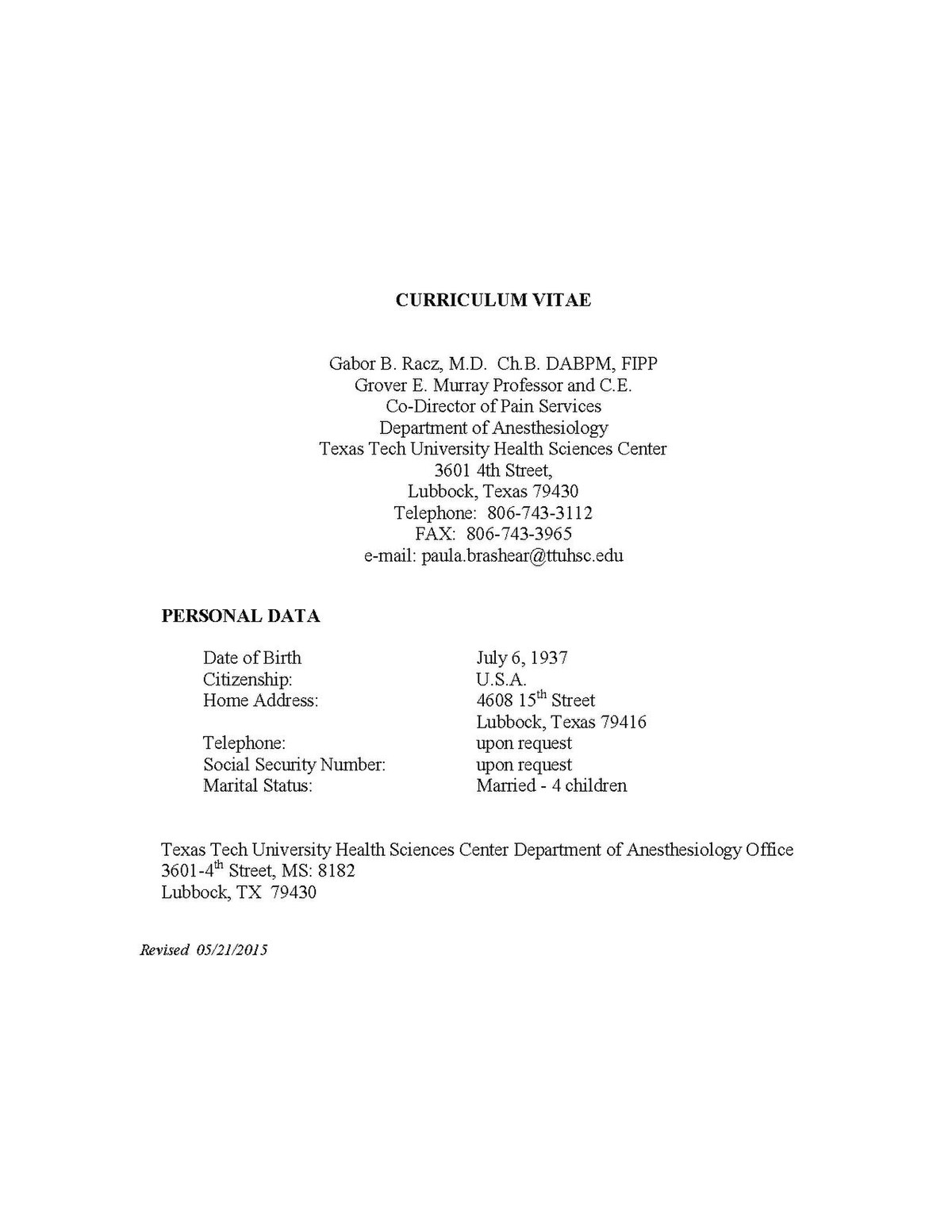
Curriculum vitae - Wikipedia

However, just like there exist many templates for non film/TV CVs, what a CV in this field needs to look like varies. For writers, my advice is one of emphasis: sell YOU and what YOU OFFER. A bunch of waffle about your hobbies or some swimming prize at school (or for that matter, a long list of where you went to school) won't help. Focus on what you write/have written, what you've won and what makes your voice different and special. 

Let me breakdown on what to include (this is what has worked for me in the past, and it's how I was taught by a film producer). This applies both to total newbies and those of you who have/'are building a small body of work. Maybe you've even scored your first commission (congrats!) and want to know how to best present/highlight that. Here's my steps:

1. Full name. Ideally in a bold font. I'd also recommend keep this, 2 and 3 center-aligned: it's more appealing. Don't bother with wacky Publisher designs and colours.

2.  Contact info and personal websites - your blogs, your social media profiles (that you want to share - all this is info you have to be okay with a potential producer/collaborator looking at). Also, when you get an agent - put their details here.

3.    Write a Brief introduction – this is just a quick summary of where you’ve studied and what you’ve worked on. Succinctness is really key here, and tie it all into your goals to work in this industry - 2 paragraphs and boom. Why does it make YOU matter, why does this make YOUR STORIES special.

4.    Your credits – everything you’ve worked on in film/TV, and I do mean everything. Episodes, features, shorts, web series etc. Don't fuss too much over the chronological order - focus on the ones that you think are the best/have gotten the most attention. If you can, include hyperlinks to them. 

5.    Development – any other script projects you are working on right now AKA your spec scripts. Don’t need to be finished, and despite the name, don't have to be ones you have sold to a real production company: just mention them quickly here with a logline (a short description that contains the hero, villain and the conflict of the story) and if there is a treatment available (always good for gauging interest and building a little early interest).

6.    Additional credits – everything that isn’t film or TV. These will be useful if you're newer to screenwriting and need to bulk up the CV. Books, short stories, comics, podcasts, plays, games, visual novels etc. Like with social media, only share what you want people to see (I'd avoid fanfiction, though fan projects like fan films or audios can be used, depending on the quality of the production).

7.    Education – as you build more credits, you won’t really need this, but list where you’ve studied at University level. No need for anything earlier than that - doesn't serve any purpose. If you went on a specialized course, or a major school (like Met Film, NFTS etc.), it may be worth mentioning a notable teacher or mentor from the industry. Never know who you could bump into out there, after all, and a familiar name can always be a hand.

And there you have, seven steps to a more useful CV. Hope that helps out.

Monday, 1 January 2018

Screenwriting Advice for BA Students... From a Masters Grad (Part Four: Jobs and Networking)

Alright, I'll not beat around the bush: No, you're not likely to get your first paying gig in film and TV, if not just gig period, writing a script. Unless you have a Cousin Joel at Warners, or Uncle Mark at the BBC, you'll likely have to find another way. Sad, but true.

The good news: there is no one route. Everybody's way in is different, meaning there isn't a right or wrong way to start in the business. The bad news: that lack of structure puts all the onus on you and your initiative to get anywhere. No one comes to you: YOU go to people. Also, doing a lot of unpaid work is the norm, so don't be quick to give up the day job just yet.

So, what are your ports of call (as said, a number of these are also covered in Stack and Clague's book)?
  • Being a script reader: one of the most common methods of attack, you help a production company wade the tsunami of screenplays and decide what ones are actually worth the head honchos' time. Usually in the form of a three+ page report, you grade the piece on several criteria, such as character, structure, dialogue and commercial prospects, write up a synopsis that summarises the whole script. With that you offer a page worth of comments on the positive and negatives, and whether or not it should be taken further for development.
  • Being a runner/low level position at a production company: like the reader, you'll be starting at the bottom, helping to do odd jobs around the office and make the tea.But again, you'll meet people.
  • Join a training scheme: certain companies and broadcasters like the BBC do offer training schemes to help get you involved on series and in departments, usually in an on-set/technical capacity. Be sure to check on their websites every couple of weeks if new ones come up.
  • Being a teacher: Again, another common pathway is to get involved in the teaching of creative media at the college/university level, as well as on special film programs and workshops for schools. You'll be able to pay bills, enjoy certain benefits afforded the teaching profession such as set hours and, thanks to school holidays, have nice big chunks that you can devote solely to other pursuits.
  • By the way, CVs? Keep it simple, keep it single column, two pages max, and tie every piece of information into the position you're applying: generic do-all CVs will not work (and forget about the 'Interests' section: no one cares if you like swimming or Chinese food). Lucy Hay talks about it here better than I can.
Say you pick the first two: Much like pitching your idea, introducing yourself to production companies and asking for the privellege of giving them free labour (remember, ask not what they can do for you, but what you can do for them) is a skill of its own. A short email, giving a brief account of you, your ambitions and your relevant experience, as well as why this specific company, followed by a quick ask to do, say, two weeks free work, can help. (How to reach them? IMDB Pro.)

Alternately, just ask to have a five minute meeting with someone in development about career advice, as a graduating/graduate student. You'd be surprised how generous people can be with their time, as well as how useful being a student is: you're still in school, so you're not trying to sell them anything. You're just a wide-eyed kid with big dreams. They can relate, and if they like you, they may even offer you some work experience, or possibly even a read of your script.
Now, onto the N-Word.
The Non-Tarantino one.
Networking.

Yes, YOU have to go and meet people. YOU have to acually talk to people before they can read your script and maybe, MAYBE, give you a job. YOU have to make people want to be around you. Go to festivals (like London Screenwriters), media conferences, screenings, talks and lectures: anywhere makers and movers will be, so must you. Research who they are beforehand, so that when you introduce yourself, you can point to something they've made and can say you admire. Nobody can resist a compliment, and thus, that snowballs into a chat, a conversation and, possibly, an exchange of numbers and/or emails.

You must, also, not be:
  • Clingy 
  • Annoying 
  • Impatient
  • Whiny 
  • Unclean
  • Demanding
Nothing cheeses off a producer like someone with no concept of patience or personal space or, just as bad, an obvious salesman. Britain, unlike the States, is not terribly fond of aggressive pitchers: people like to actually talk and hold interesting conversations about stuff that isn't just your idea.

Just like anywhere else in life, treat others as you would want to be treated yourself. Be polite, be understanding and, here's the big one, LISTEN. The art of shutting your mouth, letting others talk and actually absorbing what they are saying is such a rare quality that I think the dodo is a more populated species than people with this skill. And yet, just like making sure to say please and thank you to people, it makes all the difference in endearing you to someone.

After you are done, cordially thank them and send a follow-up email a few days later, thanking them for their time and that you hope that you can stay in touch. Afterwards, stay in touch every 3 or so months. Ideally, when you have a new project or piece of work or major news to share with them. Remember, treat others as you would want to be treated: you wouldn't want your time wasted with monotony or trivial nonsense, so don't waste theirs if you have nothing to show.

A last tip: to stay informed of who is making what and where, subscribe to the trade magazines: Deadline, Hollywood Reporter, Screen International (for film) and Broadcast (for TV) come out regularly and for an efficient fee. Occassionally browsing on IMDB is not good enough: you have to have a steady flow of reliable, well sourced information, if you want to stand any chance.

Okay, so let's say you've met someone and they want to read your script. What now?
Join me in Part five, where I talk about actually writing for a living, and those mystical, mythical beings known as ''Agents''.