Wednesday, 7 October 2020

Diary of a Spec Script - Day 58 - 67 (September 23rd-October 2nd)

After taking a slight hiatus due to external circumstances, I returned to pound out outline revisions and then dive into the first draft (or second, if you think of this as one overall project). I think now is as good a time as any to restate that first drafts will never be perfect. As a work develops and evolves, you will change things. Depending on if it's purely a spec or a paid assignment, the level of detail will vary a lot. Of course, on paid work you will also have a regular collaborator, there to help and guide you through treatments and outlines. 

When it comes purely to specs, I try to fix the most glaring stuff but the key, for me, is to have the shape of the story right. Even if characters may not be fully well-rounded, or every scene vital (because again, evolution), it should hit the key beats and have enough scenes that do excite me. For example, as I was working through this outline, I changed up the three main setpieces. In a treasure hunt story, these are your highlights: the boulder in Raiders, the mine carts in Temple, the plane chase in Mummy. Before, they were all underground crypts with traps. That's fine, but I wanted to toy with that a little bit - how could I play around with traps? Where would the crypts be? Did they all need to be crypts?

Another change came in integrating the families of the main cats more - it not only added more texture and dimension to the world, but it also gives you additional ways to explore the main three when they are not 'on the job'. How do people behave to the world versus in their own world i.e. the home? What does where they live, and who with, say about them? Their successes, their failures, their aspirations etc.

Just like last time, I aimed to get the script draft written within a week. Like before, it was a tight squeeze, but I found it rather exhilarating, pushing myself to move as quick as possibly while still producing something with detail and humour. Four acts plus a teaser, and clocking at at nearly 60. I'd say that hit the spots. In first drafts, to also restate a past point, getting the thing done is what counts - you don't need to worry a whole lot about spelling or tweaking and rejigging scenes at this stage. That comes later - just get it down. What actually exists can be edited and fixed.

In the end, I came out of this much happier than the previous version - I think the characters have real room to grow and actually want something, rather than the kind of homogeneous mass of before. It was less aggravating than before and I just let myself have more fun this time. The mistake, before, was in thinking too much of the lore and setup, rather than on actually crafting a story. World building is a wonderful thing, but without character or stakes, it's all just text.


Prev                                                                                                                                                Next

Saturday, 19 September 2020

Diary of a Spec Script THE RETURN - Day 45 - 57 (September 1st-11th)

Well, this took some left turns, eh? Life certainly took some big ones.

But hey, you've already heard enough about 'that', so let's back to talking shop about writing an adventure-spec pilot. Last time, I had completed a first draft of a family-adventure series about a family of adventurers (insert George Lucas poetry line here). I was looking forward to rewrites and a whole world of new possibilities with my characters.

Then, reality happened. 

Momentum went crashing to the floor.

Then, I realized: actually, the script sucks. 

Start over!

Alright, that's a bit oversimplified, but looking back, I found the first draft lacking. Even by the standards of first drafts (i.e. bad), I just couldn't find the enthusiasm I had for that version. Emphasis on that word: version, as in, the story I had produced didn't thrill me, but the concept still did: a 'family' of adventurers in modern times, an update for 2020 of the Tintin/Blake & Mortimer/Fabulous Five type of yarn. I still wanted to do it, I just had to find another way.

Enter the news: always a good source for writers to get inspiration, even if usually their effect is the exact opposite. News about furloughs, universal credit and concerns about jobs got my brain (as well as memory of being on JSA and having to go to a JC) cooking: what if adventuring could be a job an ordinary person could apply for? Could it be something that had the same process as, say, getting an office gig? Working from that, what sorts could it attract, and how could that affect the plot?

Instead, I shifted from a blood family, to a figurative one - people brought together and bonding in adverse circumstances. I wanted to play around with ages and the types of people you'd see in adventures shows. These weren't square-jawed Harrison Fords or Nathan Drake - these were regular people, who's particular life experiences and skills made them an unusual but serviceable fit for serial daring-do. For instance, one of them was an older cleaning lady - what could she do? Well, being in a discrete if slightly grubby job, she'd know about entrance ways; security systems; combinations of chemicals to produce certain effects. What about a supermarket worker? Inventory, item management, maths, understandings of temperature and machinery, multi-tasking.

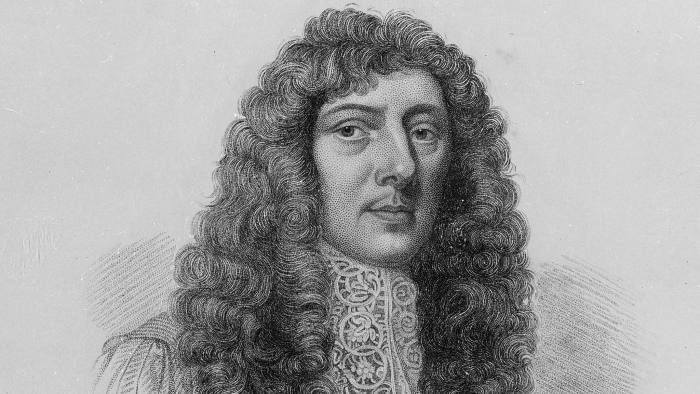
I also opted for a more domestic goal for the historical artifact - the Romanovs were cool but overdone, and the real history did present certain challenges for explaining how certain things could still be possible. Instead, I went with the good old English Civil War, as well as the more obscure historical figure of philosopher and proto-archaeologist John Aubrey, who studied Stonehenge and other ancient monuments. Through him was a path way to ancient Celtic magic and beliefs - a rich pool to draw on potential artifacts, thanks to the strange myths of druids and their odd incantations.

I settled on three new characters - two young, one middle aged; settled on a temp agency for the vessel for adventures, with the head and team mentor being my take on an 'older' Lara Croft. I made the main maguffin revolve around the concept of wishes - fitting for people in non-ideal circumstances. Over the course of a few evenings (since I'm working on other projects too, such as Never the Bride and other originals), I wrote and then quickly revised a treatment for the first episode.

Next up, a step outline!

Prev                                                                                                                                                Next

Monday, 24 August 2020

Do you need to write social distancing into your screenplay?

The industry is picking itself back up, with shoots resuming under new guidelines. Testing, social distancing, PPE, bubbles - all measures there to protect cast and crew. All of which, also, will impact how productions are filmed and directed and, in turn, how they will be written in the immediate future.


The question that I've seen pop up among screenwriters is, 'Do I have to write in social distancing in a script? Does this mean stunts and romance are out? Are my thriller and action specs, or anything with a lot of more intimate scenes dead in the water?'

The long and short answer are: No. At least, for spec scripts.

If you are going to make it yourself, or will more directly know the people doing it, then yes. There, you have a more direct responsibility on what is likely, a lower budget production. But in most cases, the people who are asking this question are thinking of agents and production companies i.e. the classic way into the industry. Having spoken to three different development people at Mammoth Screen (Endeavor, Victoria), Hillbilly Films (Tin Man) and Hartswood (Sherlock, Dracula) respectively, the answer was all the same: leave that to production, just focus on the writing.


In addition, specs I have been sending out to both types have received no rejection or disqualification, by virtue of having been written, pre-pandemic, with those larger elements. The industry has had to find ways to make these aspects doable - realistically, you can only work around them for so long. People want romance and action and other types of more physical, close up scenes in their shows. To this end, projects like The Batman, Jurassic World: Dominion and Fox's War of the Worlds have been getting back up and running with new protocols. Richard Clarke, director on WotW, has been documenting it on his Twitter.

Writing has undeniably been made harder because of Covid disrupting our routines. I've certainly talked about this plenty. The broader economic woes don't help much either. However, this at least one aspect that you shouldn't concern yourself with much - the focus, as always, should be on quality writing.

Stay safe.

Thursday, 30 July 2020

Writing in the Time of Covid - How to get back up, and why little steps are OK

Not feeling up to it? Still out of sorts? Just 'vegging out' when you're at the keyboard, with another cuppa?

mmmmm....

Well, that means you're a writer. You're procrastinating, a rather undervalued part of the process. However, all jokes aside, you may have felt more 'out' lately, burdened down by the worries of the wider world and feeling, paradoxically, like you have to write, yet have no energy for it. As I've said, COVID-19 is a collective trauma - everybody's dealing with something. You are not alone, nor should you feel guilt for something you have no control over.

Now, as to what you can do? I've got a few suggestions (some discussed before, but I've thrown in some newer ones) to help you slowly, in small doses, get your groove back up:
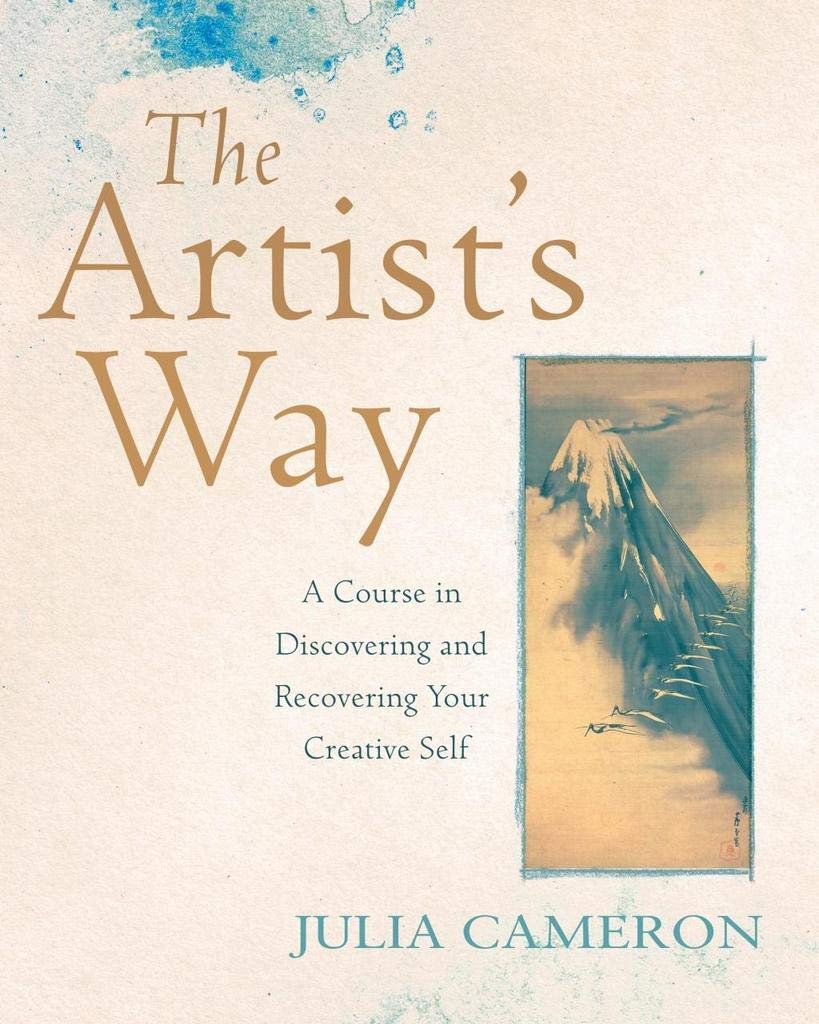
  • Maybe these are a little too brief, and you crave something deeper, more inspiring. Maybe you need a complete recharge? Well, why not have a go at Julia Cameron's acclaimed book, The Artist's Way. The one-time Scorsese collaborator and spouse has built a little empire out of her soul-searching, exploratory and guilt-free take on creative motivation. It even comes with short exercises! 
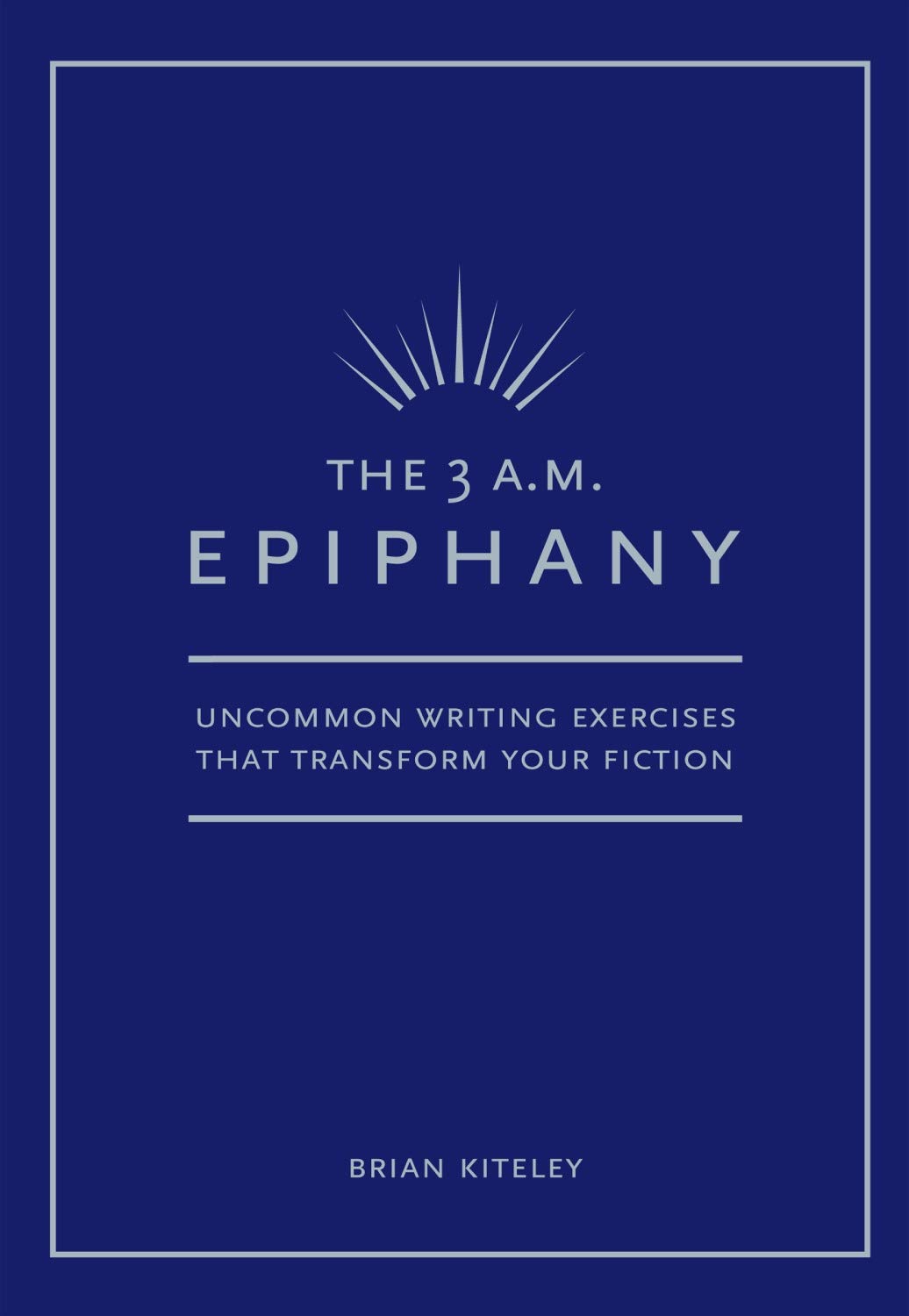
  • Indeed, if exercises are your jam, places like Kindle are awash with workbooks and writing exercise manuals for dirt cheap - just type in Writing Prompts/Exercises/Workbook. Or, if you want something physical, try The 3 A.M. Epiphany: Uncommon Writing Exercises That Transform Your Fiction by Brian Kiteley.
I hope these help you out in getting back on the writing bike. Of course, I reiterate again this: These are times humanity has not had to collectively live through since before the middle of the last century. Don't feel guilty for not writing, and don't feel guilty for being anxious. You owe no one anything - the industry will still be there, and it will, when you want to get back up. Right now, the focus should be on you - getting through, looking after yourself, and, most importantly, not stressing yourself. If it's baby steps, it's baby steps - no reason to be ashamed.

Stay safe.

Monday, 13 July 2020

The Value of Diversity and Why TV isn't a Meritocracy - A Response to Tabasam Begum

Increasing diversity in media has become more and more of a hot topic in recent years. As the demographics of the population shift and change, what we see in print and on our screens should, in some way, reflect that. People of all walks of life want to tell stories or just have fun and make their dream project. One of the immediate solutions to tapping this new talent vein was for the industry to put up schemes targeting said groups, providing training and resources. All well and good, or so it seems.


Film critic Tabasam Begum wrote about being on one of these. In the piece, Begum recounts her experiences on an (unnamed) major soap's diversity scheme and how condescending her treatment was by the staff, highlighting how her race was viewed as trivial or a nuisance and-

STOP! 
STOP, STOP, STOP! 

You, YES YOU! YOU, reading this and reaching for the keyboard, about to type in the comments of here or Facebook, or somewhere else, a version of 'meritocracy', 'I don't see race', 'best writer for the job' or the myriad of other miss-the-point-lines - sit down and wait. Or better, actually read first, then try and offer an opinion (something that has proven rather hard in the digital age we live in).

Anyway, Begum's piece follows on, not long after The Guardian ran another piece, where TV director Christiana Ebohon-Green (Grantchester, Holby) and actress Wunmi Mosaku (Lovecraft Country, Luther). recount the barriers they've faced in their careers: the lack of similar peers and how isolating it can feel, and how systemic racism has left them both stuck at particular levels that only recently started to shift. And well, if that's too subjective and 'appealing-to-emotion' for you, here's some hard data from London School of Economics, but let's bring it back a bit and ask: how did it come to this? Surely, the industry gets on top of problems and only chooses the best, right?

I've spoken before about the need for much, much stronger pipelines in this business so as to stop screenwriting being treated as the lottery: if someone can write well, they should get a turn at the wheel and background shouldn't be holding them back because of the homogeneity of the industry. Systemic racism, a word I'm sure many have become more familiar with in recent months, isn't always about active or deliberate malice: I and I don't think Begum or Green are saying that there's some hidden KKK cell at  one of the big four.

Rather, this tends to happen when you surround yourself with one type of person for so long: you end up only going to that type and thus, you're not incentivized to go out of the comfort zone and find different talent. We as humans can be an incredibly complacent lot and not feel the need to go outside our comfort zones - and somehow this is meant to be a 'meritocracy'? A word misused by online commenters who don't work in the industry and have no idea how people get gigs? 'Meritocracy' is a nice abstract ideal, but if that was the case, why is this a business so dependent on referrals and networking i.e. the opposite of being chosen solely on 'merit' if you already have prior relationships?


And this doesn't apply solely to race - disability enters the equation too (and here's where I come in). Pablo gave me my break - there, the mission statement was letting creators on the autistic spectrum tell their stories. They put time and effort to either train or simply enhance our writing ability. One of the big joys was being at the premiere for Series 2 (now on iPlayer, plug plug) and seeing all the autistic kids there, who did little voice roles in the cartoons. They did something no one would expect of them and got to just be themselves. It was wonderful.


But then, it comes with a flip side: if we hadn't given them the chance to show they could do it, who else would've? Would any other show hire them, or just brush them aside in favour of a 'less demanding' child? Would I, as a then-green writer with several years worth of non-starters behind me, have gotten the same shot to tell my story? And if you think I'm being hyperbolic, superstar writer Jack Thorne (His Dark Materials, The Aeronauts, This is England) has spoken of his battles in trying to get disabled performers parts in his shows, only to be told no for no justifiable reason. If he's struggling, what does that say about how parts of the industry currently engage with the topic?

And if you still want to cling to the idiocy of 'b-b-but meritocracy', how can you create a truly equal, merit driven system where race and gender and everything else are irrelevant IF PEOPLE CAN'T GET THE EXPERIENCE TO HAVE MERIT BECAUSE YOU DISMISSED THEM OUT OF HAND OR IGNORED THEM? Nobody is saying 'hire a random black guy' - the people talking about lack of opportunities have worked hard, have the skill and talent, and yet still don't crack it and are given some rather uncomfortable reasons why. Yes, not everyone will get a job, such is the arts and real life - but after a while, even the most skeptical has to notice something's rotten in Denmark.


Is there a clean, one-size-fits-all answer to this? No - obviously this is a great task, and requires changing decades worth of practice to achieve. These schemes and initiatives are a step in the right direction, but clearly need more fine tuning: They need consultations and boning, as well as, in my opinion, a great expansion of winning places and something for runner-ups. As said, the sooner we start treating screenwriting as a proper job, rather than mere artistic whimsy, the sooner serious solutions can be made for everyone, especially those with the deck stacked against them. The search for diverse talent, should be treated as a long-term investment in the talent, not a short term pat-on-the-back - these are communities with stories worth telling, not people randomly demanding preferential treatment.

Need proof of the good of embracing diverse creators? Try these: Black Panther, Creed, Empire, Murdered by My Father, She-Ra: The Princesses of Power, Citizen Khan, Get Out, Us, Dear White People, Black-ish, Sense-8, Pose, The Farewell, Moonlight, The Owl House, Gentleman Jack, I May Destroy You and so many more. More great stories come when we see talent and background/heritage as complimentary to their creation, not contradictory.

Wednesday, 1 July 2020

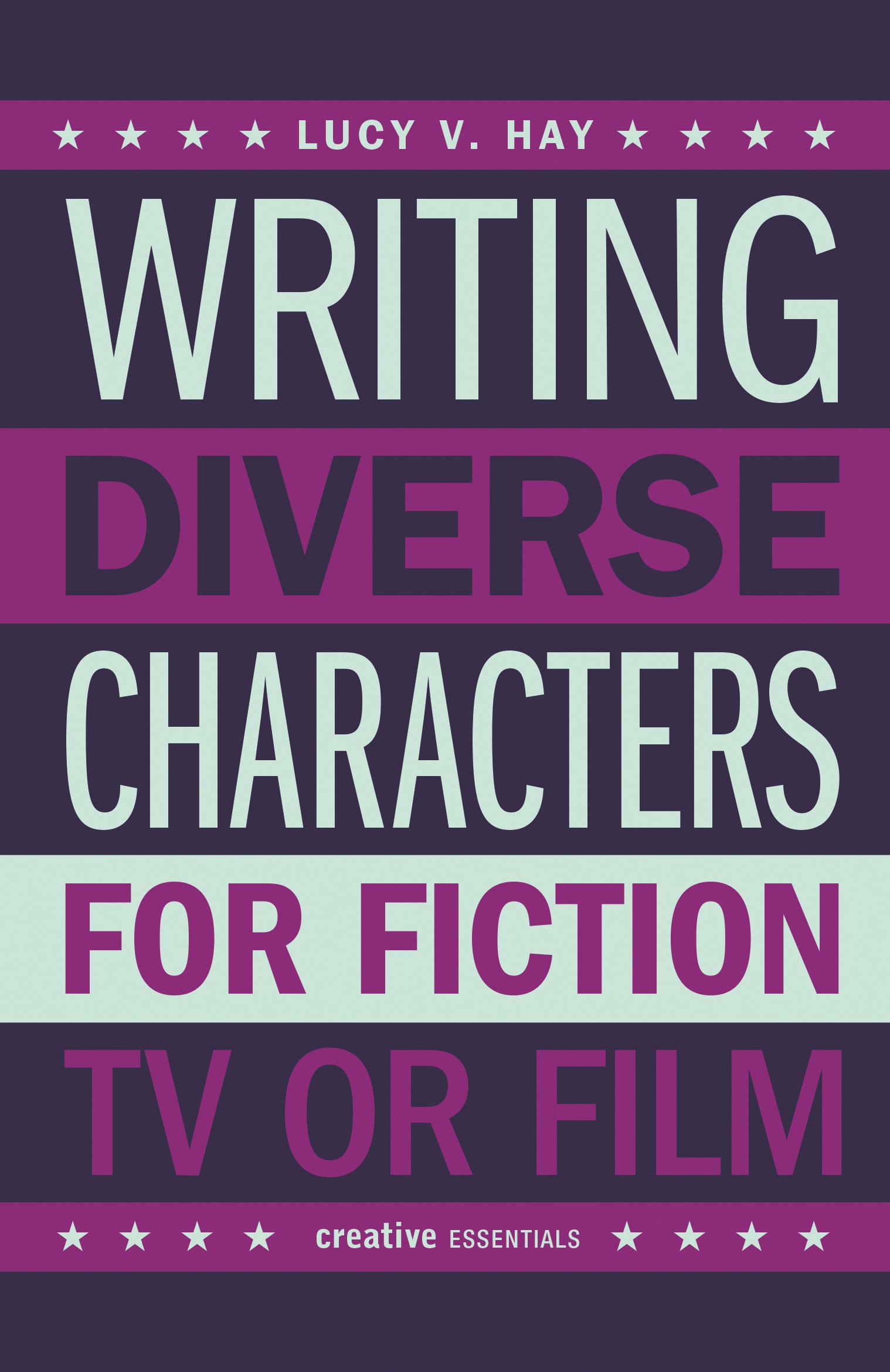
Review: Writing Diverse Characters for Fiction, TV or Film

In a time where things are uncertain in film and television, a question that gained renewed relevance is diversity - how do we ensure people form different communities and backgrounds don't lose out on work, training and opportunities as production crawls back to life? Just as important, how do we reflect that in our writing? How do we show off the multicultural society and times in which we live, in a dramatic and compelling plot?

Consultant and Bang2Write head honcha Lucy V. Hay, a name familiar to my readers and anyone in the online writing community, is no stranger to providing writing advice, as well as advocating for more thoughtful debate and open-mindedness in writers. This crystalizes in arguably her greatest book, Writing Diverse Characters for Fiction, TV or Film, as she discusses the value of diversity in novels and screenplays, how writers can better implement it without being tokenistic, and contextualises it with current success stories in media.


https://images-na.ssl-images-amazon.com/images/I/717bAxRTfFL.jpg

Combining industry insight with a good all-rounder on character, Hay provides a guidebook built on what feels like a painfully obvious yet overlooked aspect of writing: WHO your characters are and what they represent. Hay, chapter by chapter, writes in a bubbly and lively style, making the many stats from surveys and institutes regarding representation in media and literature, much more digestible than it should be. Through this, she then breaks down, in wholly unpretentious terms, how this correlates to spec scripts and books, the mistakes new writers make and how to fix them. 


She's comprehensive with character too: not only going over the old chestnuts of heroes and their character development arcs, but also encouraging you to think about your supporting cast and even incidental/background characters. These kinds of 'blindspots' are something every writer has, at some point, done in their writing. Hay is not interested in shaming you - rather, she just wants you to engage more thoroughly with your process and ask 'why?' Indeed, that warm tone I described above helps what could be patronizing come off as not only welcome, but compels you to want to do better.

https://franziskaeberlein.myblog.arts.ac.uk/files/2018/12/Untitled-design-3.png

Hay, however, is also critical of the pro, as well as the anti-side, when it comes to this discussion, arguing that true representation should not just be about simply heroes, nor the ever-sticky question of 'role models' in stories that defy the standard white-hetero-male paradigmn that, regardless of your own politics or tastes, has been the default for a long time in media and literary canons. Why, Hay posits, can't women, BAME and LGBT persons get the fun parts like villains or sidekicks? Why does every story have to draw attention to their condition or orientation: why can't they just have adventures and escapades like the regular white guys in movies and TV shows do? In turn, from an industry perspective, this could only broaden the available opportunities for people from under-repped backgrounds.

Writing Diverse Characters for Fiction, TV or Film is, to put it succinctly, a great primer on creating layered and varied casts. It comes highly recommended, as does her free E-book, Writing Female Characters.

Monday, 1 June 2020

What next for UK Film & TV? - A Response to Ewan Morrison and John McVay

Crystal balls are not much help right now, as everything is in flux and could go any which way. June looks like a make-or-break month: thus far, VE Day and other bank holidays haven't lead to an explosion in cases, but will that hold true as kids go back to school and shops reopen?

On the Film & TV side, it's also very touch and go: Soaps are developing strategies to shoot and keep elderly actors off as much as possible, with Emmerdale resuming operations last month, Coronation Street next week and Eastenders aiming to do so by June's end. What's more, Warner Bros., Disney and Netflix are working with the Tory government to restart in the next month or so, with safety measures, on major productions like The Little Mermaid and Matt Reeves' The Batman. Ideas being put forward include skeleton crews for filming; actors doing self-makeup; floor markings; minimizing stunts; prioritizing outdoor shooting and favouring local crews.


But that's now - what about new productions? What kind of shows could be made? Well, the BBC ran a piece, interviewing several high-profile industry folk on that question. Among them were screenwriter Ewan Morrison (The Outlaw King) and PACT boss John McVay, who voiced thoughts and concerns. The main ones being settings for shows, as well as scale and logistics.

Both raise valid and important points: the bigger the project, the more headaches it will be to keep everyone safe. The reduction in spectacle, too, could lead to some more creative filmmaking and storytelling that isn't reliant on eye-candy to woo audiences - indeed, such a cost cut from budgets could lead to some leveling of opportunities for lower-tier writers to staff on more prestigious shows, now that you don't have to fret so much over money. Morrison's remark about seeing more shows in both smaller yet more fantastical locales like space or underwater could lead to a resurgence in domestic genre programming, which is great for nerds like me who want more homegrown sci-fi and fantasy (and even work on them...).


From my end, I think the idea that we could be entering an era of more conservatively budgeted shows that could, as a by-product, take more risks (in slight difference to Morrison's view) is a huge-plus for new talent, an issue that both Film and TV have, admittedly, not done a great job of engaging with. Apprenticeships and prizes are all well and good, but newcomers need solid, professional credits to get anywhere. That said, this is still a short-term solution: like it or not, you can only reskin a confined show so many times before people will want to see dragons and armies again. A healthy industry, regardless of circumstance, is one that produces a variety of content - too much in either high or low is bad for creatively, careers and culture. Expensive shows limit who can work on them, but cheap ones will only be able to take on so many people. In addition, depending on the show, certain people may get left out altogether: make-up artists, special effects artists, set designers, costumers, stunt people etc.

Like it or not, McVay must know that eventually, big shows will have to start up again. You're dealing with months, if not years, of contracts, deals and other paperwork behind these big-timers, and far too many types of professionals who need the work. You obviously don't want sets to become outbreak points, but this, like so much else in the Covid pandemic, is the result of various societal problems crashing into each other. I think this present anxiety is based on an idea of Covid remaining exactly as it is right now, which no version of the science, optimistic or pessimistic, supports. As discussed before, our understanding of Covid has rapidly changed, and relatively fast. Even if we don't get a vaccine by year's end, we will likely have measures, and probably treatments, in place to file off the worst parts (ala HIV).

As for Morrison's 'resurgence of big-budget animation' prediction, I'm going to have to err on no from a drama POV (though Morrison doesn't specify what age-group he's indicating: does he mean a four-quadrant British Pixar, or a return to the more experimental days of Watership Down and The Plague Dogs?) Anyone involved in animation fandom has seen this crop up many times over the years - the odds of the BBC or ITV making what amounts to British Anime (animation meant for a prime-time audience that isn't strictly comedy, to pick up the current need for drama shows) is pretty much a non-starter. Amazon and Netflix might (and have) in small doses, but by the time you could get a dramatic show animated, the live-action industry will likely have found workarounds on how to shoot, thus rendering it moot in most cases.

Plus, working from home doesn't mean the process'll go any faster in creating regular cartoons and adult animated series - material still has to be vetted, altered and given notes, in addition to all the pre-planning like designing, storyboards and animatics.


In so far as Morrison's worries over Covid being an excuse for producers to double down on adaptations - on the one hand, that's a real risk. In times of trouble, people stick with what's familiar. People who already bemoan our TV being dominated with novel adaptations have every right to feel frustrated, and that IP value is only going to increase as companies need to carefully marshal resources and pick the best project to get a return on.

At the same time, however, I do think we must be careful not to adopt a dismissive attitude (especially not after Morrison advocated a progressive stance with genre content earlier in the piece) - in times where money will be tight and people, including and especially children's, access to the arts is going to be impacted, Film and TV could pick up the slack and introduce classic works to new generations. How many of our favourite books, sometimes the very things that inspired into creative careers, came out of us watching the movie or TV version first? And, frankly, shouldn't creating quality productions matter more than where they came from?

Something which the article doesn't touch on much, but anyone active on Twitter and the like has seen, is the indie debate. There, the question is could this be a new golden age for independent films and content that can be made with few resources and people? Some seem very confident in it, and I see the rationale, but there's a flip side: these projects may be more open and able to social distance, but the lack of money also means less PPE and safety measures can be put in place. how many actors and filmmakers are going to gamble on a project which pays little-to-nothing, just for exposure? (if anything, the golden age could be for audio productions.)

It will be tough - you're effectively rewriting decades worth of habits and practices in a matter of weeks. For newcomers, it's a scary time and it seems like it could all vanish at the drop of a hat. For veterans and even for those of us who have climbed up the first couple of rungs, like myself, it's all on the razor's edge, and only by being wily and careful, can we navigate this.

But, as McVay himself points out, this could be an era of innovation, where cream rises to the top and we find ways to overcome adversity. This could, too, see a meaningful increase in diversity behind and in front of the camera as new opportunities and methods arise. Some doors close, but others could yet open.