Showing posts with label Diary of a Spec Script. Show all posts

Wednesday, 7 October 2020

Diary of a Spec Script - Day 58 - 67 (September 23rd-October 2nd)

After taking a slight hiatus due to external circumstances, I returned to pound out outline revisions and then dive into the first draft (or second, if you think of this as one overall project). I think now is as good a time as any to restate that first drafts will never be perfect. As a work develops and evolves, you will change things. Depending on if it's purely a spec or a paid assignment, the level of detail will vary a lot. Of course, on paid work you will also have a regular collaborator, there to help and guide you through treatments and outlines. 

When it comes purely to specs, I try to fix the most glaring stuff but the key, for me, is to have the shape of the story right. Even if characters may not be fully well-rounded, or every scene vital (because again, evolution), it should hit the key beats and have enough scenes that do excite me. For example, as I was working through this outline, I changed up the three main setpieces. In a treasure hunt story, these are your highlights: the boulder in Raiders, the mine carts in Temple, the plane chase in Mummy. Before, they were all underground crypts with traps. That's fine, but I wanted to toy with that a little bit - how could I play around with traps? Where would the crypts be? Did they all need to be crypts?

Another change came in integrating the families of the main cats more - it not only added more texture and dimension to the world, but it also gives you additional ways to explore the main three when they are not 'on the job'. How do people behave to the world versus in their own world i.e. the home? What does where they live, and who with, say about them? Their successes, their failures, their aspirations etc.

Just like last time, I aimed to get the script draft written within a week. Like before, it was a tight squeeze, but I found it rather exhilarating, pushing myself to move as quick as possibly while still producing something with detail and humour. Four acts plus a teaser, and clocking at at nearly 60. I'd say that hit the spots. In first drafts, to also restate a past point, getting the thing done is what counts - you don't need to worry a whole lot about spelling or tweaking and rejigging scenes at this stage. That comes later - just get it down. What actually exists can be edited and fixed.

In the end, I came out of this much happier than the previous version - I think the characters have real room to grow and actually want something, rather than the kind of homogeneous mass of before. It was less aggravating than before and I just let myself have more fun this time. The mistake, before, was in thinking too much of the lore and setup, rather than on actually crafting a story. World building is a wonderful thing, but without character or stakes, it's all just text.


Prev                                                                                                                                                Next

Saturday, 19 September 2020

Diary of a Spec Script THE RETURN - Day 45 - 57 (September 1st-11th)

Well, this took some left turns, eh? Life certainly took some big ones.

But hey, you've already heard enough about 'that', so let's back to talking shop about writing an adventure-spec pilot. Last time, I had completed a first draft of a family-adventure series about a family of adventurers (insert George Lucas poetry line here). I was looking forward to rewrites and a whole world of new possibilities with my characters.

Then, reality happened. 

Momentum went crashing to the floor.

Then, I realized: actually, the script sucks. 

Start over!

Alright, that's a bit oversimplified, but looking back, I found the first draft lacking. Even by the standards of first drafts (i.e. bad), I just couldn't find the enthusiasm I had for that version. Emphasis on that word: version, as in, the story I had produced didn't thrill me, but the concept still did: a 'family' of adventurers in modern times, an update for 2020 of the Tintin/Blake & Mortimer/Fabulous Five type of yarn. I still wanted to do it, I just had to find another way.

Enter the news: always a good source for writers to get inspiration, even if usually their effect is the exact opposite. News about furloughs, universal credit and concerns about jobs got my brain (as well as memory of being on JSA and having to go to a JC) cooking: what if adventuring could be a job an ordinary person could apply for? Could it be something that had the same process as, say, getting an office gig? Working from that, what sorts could it attract, and how could that affect the plot?

Instead, I shifted from a blood family, to a figurative one - people brought together and bonding in adverse circumstances. I wanted to play around with ages and the types of people you'd see in adventures shows. These weren't square-jawed Harrison Fords or Nathan Drake - these were regular people, who's particular life experiences and skills made them an unusual but serviceable fit for serial daring-do. For instance, one of them was an older cleaning lady - what could she do? Well, being in a discrete if slightly grubby job, she'd know about entrance ways; security systems; combinations of chemicals to produce certain effects. What about a supermarket worker? Inventory, item management, maths, understandings of temperature and machinery, multi-tasking.

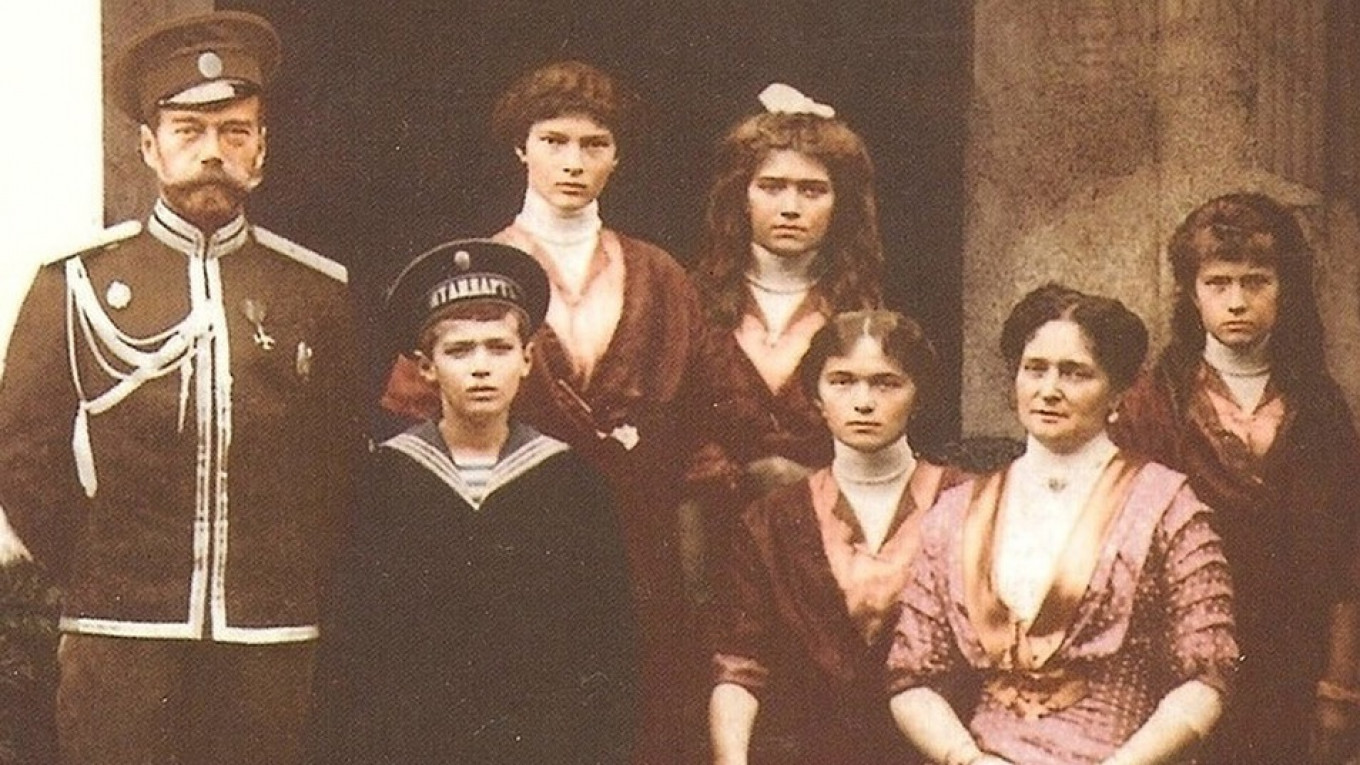
I also opted for a more domestic goal for the historical artifact - the Romanovs were cool but overdone, and the real history did present certain challenges for explaining how certain things could still be possible. Instead, I went with the good old English Civil War, as well as the more obscure historical figure of philosopher and proto-archaeologist John Aubrey, who studied Stonehenge and other ancient monuments. Through him was a path way to ancient Celtic magic and beliefs - a rich pool to draw on potential artifacts, thanks to the strange myths of druids and their odd incantations.

I settled on three new characters - two young, one middle aged; settled on a temp agency for the vessel for adventures, with the head and team mentor being my take on an 'older' Lara Croft. I made the main maguffin revolve around the concept of wishes - fitting for people in non-ideal circumstances. Over the course of a few evenings (since I'm working on other projects too, such as Never the Bride and other originals), I wrote and then quickly revised a treatment for the first episode.

Next up, a step outline!

Prev                                                                                                                                                Next

Monday, 2 March 2020

Diary of a Spec Script Day 39-44 (24th-29th Feb)

Alright, so I had a little hiatus, but it was for good reason. As you'll recall from last time, 'Project A' fell apart on a narrative level and needed a rethink. I went away, did some brainstorming and tinkering, and found a way forward. I decided to change up the family dynamic and background, playing up the working-class dimension and having it be less of a fragmented family story. Before, the idea was to use the fantastical adventures as a way for divides to heal, but the two sides didn't merge. Instead, I decided, let's just make it a team show, and it felt more natural.


In moments like this, it's important to 'listen' to your characters - if something just feels wrong, don't go there. That's your characters saying 'I don't belong there. It's not how I tick'. Forcing your characters to be something that they're not is a surefire way to waste your time and write a script that reads as hollow and disjointed. You want to put your characters in peril and make them do things they don't want to, that's drama, but having them act in ways that are completely counterintuitive is not.

With that, I quickly cracked out a short treatment that contained most of the beats I wanted. Subplots were a little thin, but hey, now at least I had clear indications of what was available and where they could go. The characters also didn't get in the way of the adventure and felt like everything worked as one cohesive unit.

That said, another issue rose - time. I had other writing projects that were more pressing, from a career perspective, and couldn't spare a whole lot more time at this juncture to experiment with this one. At least, for now. So here is where I had three roads to go down: Pull, Push or Pass.

  • Pull - Continue the present strategy - keep devoting time and energy to it and just find a way to compromise with the other stuff.
  • Push - Get it written in the time left. A vomit draft that will get down just the absolute basics and save basically any and all fine tuning till another time.
  • Pass - Just junk the project. It's too much hassle and it took so long to even be functional, so why bother?


I opted for push and cracked down on getting it written within the week. It was tight, but I found it liberating and, along the way, made notes for ideas I could add or that arose, for next time. This draft is very much as basic as it could get, clocking at the bare minimum for something that's meant to be a four-act, hour-long piece. In first drafts, as a rule, getting done is what counts - you don't need to worry a whole lot about spelling or tweaking and rejigging scenes. That comes later - just get it down.

Naturally, while there is always relief that hey, it got done, I did feel a bit of disappointment - a big thing I had stressed throughout this was a renewed emphasis on really pounding out and breaking the back of the treatment and the outline. This was going to be a new and different way for me to write scripts, where more time is spent prepping the treatment/broad strokes of the story - however, in the end, it kind of went back to my usual method. Best laid plans, as they say.

So, what happens now? Well, I'll be turning my gaze towards other projects, includign Never The Bride. However, 'Project A' will be returning before too long, I guarantee, loyal reader. I hope what this phase of the script's development has demonstrated is just how mercurial and temperamental the process can be. If you ever run into situations like, I hope I've demonstrated its normalcy and taken off some of the stress and pressure. You didn't irreversibly f*ck up - it's all part of the journey.

Prev                                                                                                                                                Next

Thursday, 13 February 2020

Diary of a Spec Script Day 35-38 (Feb 4th-7th)

And well, as to be expected with any creative journey, we come to the first major roadblock. I don't view these as negatives - annoyances, but not terrible things. Instead, they are challenges, obstacles to force you to interrogate your process and beliefs in a story.


So, I got to work, rejigging the step outline, following a round of reading and notes. All going well - expanding the teaser, clarifying the action and what each specific character was doing. I was looking to recreate a style and vibe reminiscent of Secret of the Unicorn - nice, creppy house, mobsters and quick wits. All very nice and dandy... until I came to the first big scene in my first act. This is where things started to spin out: I was trying to effectively introduce the core family and give the audience a sense of who they are and what their respective conflicts are. The mum's an overworked nurse struggling to hold the family afloat; the older child is on bad terms with Dad owing to life choices; the younger child is disabled and wants to gain some kind of approval, and Dad's a deadbeat whos given up his real life goals.

At first, I simply streamlined and reordered the scene - it was a before-school/breakfast scene, so just shifted up the arrival of the bus and tightened the time to make it more of a rush. Nothing like a bit of time pressure to get people to reveal themselves. But then, as I progressed from there, more started to come undone from the treatment - the conflict with Dad made less and less sense. Why was he a deadbeat in this way? How did the reason given provide enough justification? What's stopping him from going away or being a workaholic to get away from that reason? This has bigger knock-on effects as the tension between him and the older kid was the backbone of the story - their coming back together again gave the story a heart, beyond the adventuring and treasure seeking shenangians.

I tried to just power through it (in line with past strategies I had used) and, well, it only got worse: the mum had less and less agency in the plot; the disabled child got lost in the shuffle of everyone else; the treasure clues became more archetypical and less inventive. Slowly, the whole thing was falling to pieces and no amount of raw gut determination could change that.

Something author and writing instructor Lucy V. Hay has discussed came to light here: I hadn't interrogated my concept enough and, worse, hadn't pushed my characters enough. It was eitehr too generic, driven more by nostalgia, or too disjointed to make sense or be emotionally gripping. The family are the key to this story: if they don't add up or do enough, what's the point? Treasure and history are nice and all, but what's the glue? What's the reason to care? Why watch/read this and not someone else's adventure?


Naturally, as a fellow writer (possibly a newer one), you might wonder: how did you not notice this in the treatment? In fact, what's the point of any outlining if you can't see mistakes ahead? A valid question, but one which is a bit simple: creativity is not a scientific formula. You cannot just plug in a and b and get c - it can change and vary alot, depending on what you're writing about. Plus, writing about something in broad overviews and prose can create a presentation of events that, when put into a more action-y format don't work. Like I said before: it's easy to tart up weak treatments.

So, I put on the breaks for a few days. I need time away from the project, make notes, brainstrom, and just reconfigure my approach. I have some notions rattling around in my head, but I need space to properly crack it. Rest assured, the fight ain't over...


Prev                                                                                                                                                Next

Friday, 7 February 2020

Diary of a Spec Script Day 32-34 (February 1st-3rd)

The work of honing and expanding a treatment gets underway. In revisions, I find it good to take your time and really work on individual scenes - especially ones that gives us a greater lens into the chaarcter's mind and psychology. Even in an ostensible old-school-esque adventure yearn involving lost Russian treasure, it's still important to ensure consistent and interesting characters who gain something out of the experience beyond material wealth. In this case, it's a story about ideals and expectations - how we can have something set in our minds, how we get disappointed, and how learn to accept, and possibly even love, the change.

Something which I got from my time on the Corrie scheme was the idea, more so than I had done previously, to treat every paragraph in the treatment like a scene or beat. In the past, I tended to be less strict, allowing one scene to occupy multiple paragraphs to detail and pull it out as much as I could. However, being direct and to the point is an important component of screenwriting and, to be quite frank, if you can say something with brevity, then clearly you've not thought it through enough and are just writing filler.

Indeed, it is tempting to throw in loads of trivial details to pad out a treatment - here is where you can be tempted to go really purple prose in your writing. Now, sometimes, there is leeway: if building up a picture of the world or environmnet helps you decode or unravel the character, then that's fine. But exorbitant detail about things like clothing, or over-descriptive actions, or just minor elements of the scene that don't connect to the core dramatic action - ditch them.

Something else that I'd like to highlight - what happens when you don't know everything that a character will do, or how a scene will play out? Is it right or proper to force yourself to slow down to really finetune one element, or do you just move on? Now, you might think it's the former, since I've talked at length how this treatment was going to be a more deliberate affair than past ones. However, I take the cue from C. Robert Cargill on this - if in doubt, just put in a placeholder for what you want to happen in the scene. Remember, when you write on spec, you're on no one's schedule but yours - do what you have to, but getting it right is more important than being a perfectionist.

Next time, onto the step outlines. Let's see what ends up changing.


Prev                                                                                                                                                Next

Sunday, 2 February 2020

Diary of a Spec Script Day 27-31 (Jan 27th-31st)

Right, so  went and did some more jotting and mulling, before returning to do revisions on my treatment. Here, the main objective was expansion and refinement - I needed meat on my skeleton.The easiest parts to write, I found, were the teaser (which sets up the world and was the most throwback-y of the story, so I got to indulge in my Herge-impersonation here), as well as the first act (as here is where I had the most clear picture of my pilot's narrative, and what my cast would be doing). The trickiest was the climax and ending - I knew what they were, but writing them down into something visible, as well as sensical, proved to be a lot harder. By my own admission, endings are something I struggle with, whether I know my story's outcome or not (and I almost always do) -  I enjoy the journey that the destination comes off as an afterthought, and can be a headache to tie in.


Thankfully, the treasure hunt aspect of the plot gave me something to anchor myself with, so it proved less of a nuisance than usual. I was feeling more confident, and even snuck in some more details about the world and the characters lives into the treatment, because I could (such as the contents of the children's lunches during a morning school run scene that set everyone up). Was it dramatic? No, but it just gave me another few more spots to paint in as, slowly, the world of my pilot started to glow in my mind and reach out to me.

Speaking of glows, I also colour-code all my acts, which gives me a quick visual means to gauge what parts of the pilot need lengthening or shrinking, as well as just make it easier to digest my work in review and be able to point right away and say 'okay, that's there, and there and there.'


After that was done, I did a readthrough, to see how it played (IN SHORT, PROMISE BUT QUITE WONKY), and then I did a scene breakdown to help marshal my points and criticisms into a gameplan. I should clarify I don't mean a step outline (though that will come soon), though these terms are used interchangeably. Here, the difference is my outline is, essentially, the script without the dialogue - it's all the action. A scene breakdown, on the other hand, is the cliffnotes, the broadest possible version of what every scene does, so I can tell what can and can't stay and pulls its weight.

The breakdown revealed that my second act was too long, with two setpieces sandwiched back-to-back, and my third act woefully short with basically one revesal and a whole lot of chatter. Character development and choices weren't there - it was reading much flatter than I had initially thought - doubly problematic, as the family story is the heart of the piece, the glue that holds the adventure hijinks together and makes it live.

Once again, turned to my notes and began to scribble and pound out little ideas or twists on scenes, as well as what needed expansion in the next go at the treatment.


Prev                                                                                                                                                Next

Sunday, 26 January 2020

Diary of a Spec Script - Day 20-26 (Jan 20th-26th)

Right then, so writing continues, but of course, man's gotta eat and make-a the money, so it's a bit slow going. Still, that can have its own benefits: while I am, by nature, someone who likes to get stuck in and GO GO GO, being forced to move at a slower pace allows more time for reflection and digestion of ideas and scenes, which is not a bad thing for a writer. It only becomes bad when you procrastinate.

So, I can assume most reading this know what a 'vomit draft' is, right? It's like the most basic, messy, crazy, unfiltered version of a screenplay that you can do - the first big go at it. Well, I am doing that, but for treatments - I find having something I can see, outside my own mind, helps me a great deal in my process. Plus, as I've said many times in the past in this blog, you can always redraft and rewrite. Forget perfection, just focus on getting it right.

 Yes indeed.

As this is a fast-paced adventure yarn, I knew the skeleton of where I wanted the plot to go: what was everyone after and where do they find the clues for it? I had a rough idea of what the setpieces would be, and the main characters wanted. More intricate character dynamics and nuances are not here because, as said, it's early days and this about build up in layers.

So into a Word doc it all went in a fierce blast of stream-of-conciousness, filling out about four pages (obviously for a treatment, a little lean, but it's a start) with material. Plus on the side, I kept my little 'ideas' doc open as well, adding in any questions or ideas I cooked up, as I was writing the skeleton. I had a fairly clear idea of what the opening/teaser would - bad guys in a room, conferring, piecing the clues together, while the young versions of our heroes try to escape some peril. Simple and classic, but effective in helping to set the tone of the piece.

Now that I had a skeleton before me, as well as a quiz's worth of questions about characters and scenes, I knew that additional research would come next. Places were I could sure up anywhere that I wasn't as knowledgable on. Since the script pertained to various myths surrounding the last Imperial dynasty of Russia, the Romanovs (a subject which I did have enough prior knowledge of, for the skeleton), I wanted to do some extra digging. Through that I then also wanted to look into figures surrounding their execution, and then in turn, where loyalist White Russians went to, One thing lead into another.


What can I say? I love history: always have since I was little. Who we were and why we made those choices is a fascinating part of the human condition, as well as having obviously appeal for dramatists.Last year, for example, I got a lot out of learning about the history of my area, Camden, and visiting the Archives. Indeed, just browsing through old maps and adverts could ignite little sparks in my mind that, in the end, help me find ways to do more interesting things with my cast and where they could be.

In addition, I also kept my regular notepad on hand, jotting down interesting facts and general little 'flashes' of ideas for what could go into the script.Among them were ideas about, for instance, incorporating a version of the original Kindle, the Fiske Reading Machine (which could store whole book on cards, and could be reading through a magnifying lens) as means to uncover clues, as well as slipping in more nods towards the Romanov children, like Alexei's famous prank of the strawberry in the noble's shoe. It's just all fun.

Prev                                                                                                                                                Next

Monday, 20 January 2020

Diary of a Spec Script - Day 11-19 (Jan 11th-19th)

Right, so I've settled on what will be titled, for the purposes of the blog, 'Project 1', a family adventure series. Now that I've sorted what I'll be working on, I can now tailor and specify my research more, as well as begin to compile and brainstorm more specific notes to build the series.

This twilight period, before you commit to a full treatment and are just spitballing, is possibly one of the most fun parts of the process. Here, your creativity is only limited by your imagination - you don't have to make considerations with regards to usual script standards like act length or commercial breaks - you can just focus on caputring those 'wisps' as Ed Solomon terms, those anomalous little ideas that slowly bring your idea to life.


It's also a good time to ask yourselves questions about your ideas: interrogate each and consider what the challenges are, and if they actually stand up. Using questions can also help ignite more creativity and find solutions or even better versions of these ideas. With an adventure series, the obvious places concern how and where the heroes will go/get to, what the goal is and how do you play and build up that lore? Issues around travel logistics or clue placement or the use of setpieces, and what kind, arises.

While I've done most of this with the ol' pen and paper, I have also opened up a Word doc with the intent of having something where I write more longform ideas, without having to commit to the more judicious treatment yet. This is a place where I can experiment with world building, write up character bios and backstory that may/may not appear in the final story. I can also see how certain ideas, when laid out in more detail than above, play and if they could fit into further expansions and breakdowns of the pilot. Call it my 'dumping bin', my 'waste basket', my idea store' - point is, it's handy.

Some of these questions have included:
  • I have this historical event connected to the Romanovs, and I want to go in this direction. How can I work with and around the facts of their lives, especially their last days in the run-up to their execution? How can I have them do X or Y while keeping to that canon?
  • I want their to be a big old treasure hunt, with clues in unusual pages. How and where can I put them and tie them into the Romanovs? What do i know and what do I need to brush up on?
  • So I want my protagonist to have had past glories, which clash with his present? Where do you go with someone who is adventurous in youth, without just repeating 'being a total neb' like in Hook or Christopher Robin?
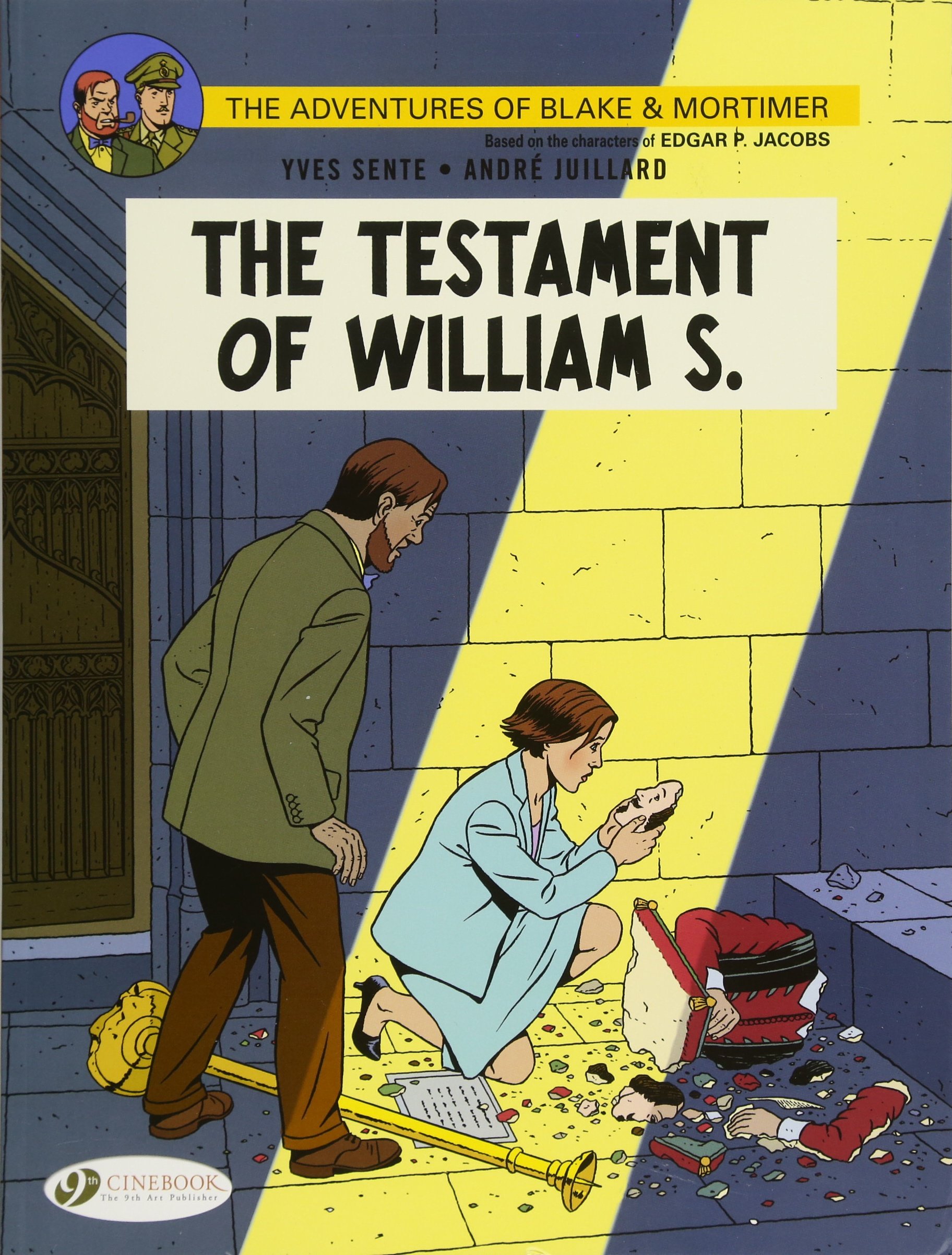
In addition, I've kept up my reading, diving back into Tintin stories I had not read since I was a child, like The Blue Lotus and The Crab with the Golden Claws, as well as diving further back into Blake & Mortimer (The Septimus Wave, the sequel to The Yellow M, and The Testament of William S.). I also used the opportunity to revisit the 1990s animated series versions, which kept a surprising amount from both comics (gunplay, alcohol, gambling and other things are are actually kept in the shows, with most omissions and alterations to do with adding or deleting subplots, rather than toning down more problematic elements of the original stories).


Of the two, the shift is more noticeable in B&M, where it takes more of a science-fantasy dimension as the series progresses, as opposed to the more standard sci-fi and spy thriller angle of the comics (especially after Jacobs died and other writers took over). They deal in Vikings spectres, alternate realities, alchemists and even bringing in a new character, Mortimer's female cousin, who's a type of paranormal investigator. It's not bad, far from it in fact, but it does come off as a little dissonant compared to where the books went in the new century.

Still, being mostly half-hour two parters, they get in and out quickly, hit the key beats and deliver a satisfying story, with a clear ending cliffhangar (though of the two, the Tintin series was better at them than B&M).

Prev                                                                                                                                            Next

Wednesday, 15 January 2020

Diary of a Spec Script - Day 9-10 (Jan 9th-10th)

Alright, so got a couple of writer friends to chat over email and sent them my three concepts/pitches for the adventure specs. I wanted to gauge which felt the most distinct/notable, and played the best. After all, dear sirs and ma'ams, brevity is the soul of wit, or here, dramatic functionality. If you can't describe it succinctly... something's wrong.


Now for obvious reasons, I'm not going to repeat the full pitches here. However, I'll give you a quick jist of each:
1) Love letter to Tintin, focusing on a similar figure, who now has a family that get up to adventuring.
2) Gothic-horror summer camp with kids who are not kids.
3) 30s pulp-superhero homage with an old-school horror monster who stops advanced warfare tech being developed.

Reactions? 2) Got the consistently strongest responses, followed by 1) and then 3) was slumped at the bottom. 2) had the most to offer in terms of being unlike most other series out there, and offered the strongest hook for a prospective reader. Plus, it was doable on a tighter budget: an important consideration for a more junior television writer such as myself (and an issue I had been grappling with last year in my specs).

The issues with 1) and 3) overlapped: overly familiar stories without a strong enough hook (though 1's had more to offer, and more room to tinker with) and issues over budget (though I'd argue 1) could be done conservatively). Now here is where an important dichotomy arises: the battle of commerce versus artistic purity. Do you write for the market and trim back, or do you write whatever you want to? A good story with a strong voice is what matters, under any circumstance, but the realities of what you can achieve, within your pool of contacts and track record that potential broadcasters will consider, play a role. Budget is a big part of that, and I find doesn't get brought up terribly often in discussion of writing for TV.


In addition, hence why 3) is at the bottom, it read as overstuffed with different ideas that didn't cohese, or come together, as a unified piece.There was aspects of time travel, advanced technology, human evolution and progress and the general climate of the late 30s leading up to war, and it seemed overdone. The challenge here will be to scale back and focus on a central idea. Of course, the upside is that by having your concepts stress tested, you can see what is and isn't working and cut out the stuff that will burden you later.

So, where does this leave me now: well, with a clear winner in 2), but with an interesting challenge in 1). The first will be, possibly, the most elaborate and sophisticated script I've yet tried to write, while the other offers me the challenge of finding something within an old format and style. hich will I go with for the purposes of this blog, and thus, the first project of the year? It's 1, though 2 will follow shortly after.

Previous                                                                                                                                 Next

Friday, 10 January 2020

Diary of a Spec Script - Day 6-8 (January 6th-8th)

Right then, so much the same as last time - watching and reading and little bits of note-scribbling. And, as a bonus, this entry will also serve as a demonstration of how the process can be mercurial and not align the exact way you wnt to, even at the early stages - so, originally I wanted to do some script reading. Give myself some extra juice and see how pros do it.

THEN, I got a reply from a project and I was working and had to turn in some stuff.

And THEN I recalled having a meeting next week, so had to do some quick revision on a popular drama.

So read time got cut off, for the moment, and I decided to take what I had assembled thus far and build some very rough pitches (no more than a paragraph) to give myself an anchor. But first, the recap of what I did get to peruse:

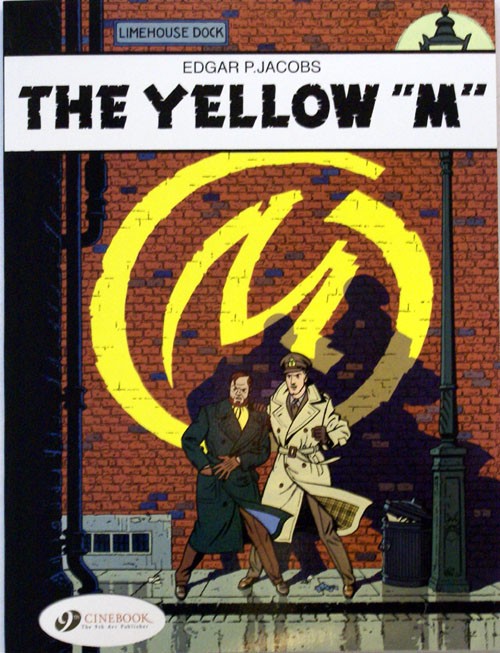
Blake & Mortimer - The Yellow M

Anyone who's ever bought or seen Tintin comics might also recall seeing this close by - similar art styles (ligne claire) and title font, similar size book, similar old-school adventure yarns, but instead of a young Belgian, it appears to be two Brits instead - a blonde captain and a ginger professor. Well, that's because Blake & Mortimer were contemporaries of Tintin, created by friend of Herge, ex-opera singer E.P. Jacobs. The books are exactly what they sound like - arguably, even more cut-and-dry adventure-espionage stories compared to Tintin, where our duo, often with the blessing of Her Majesty's Goverment and Scotland Yard, match wits with the sinister Colonel Olrik as he cooks up world-domination schemes.


In the case of The Yellow M, a sinister man in black is commited grand crimes, like stealing the Crown Jewels, across London and seemingly unstoppable - immune to bullets, ungodly fast and never stop cackling. Things get dialed up a gear when severa wealthy men start vanishing, with the titular emblem left behind.

Much like The Avenger, it's about as good a distilation of every old school pulp and Boys Own Adventure yarn you'll find, framed with an appealing aesthetic and almost cinematic pacing. Blake and Mortimer are noble, square-jawed and inquisitive protagonists who, like the young Belgian, seem to relish adventure and do-good-ing for its own sake (more complex origins would come later in books published after Jacobs' death). Despite one major glaring issues, like Tintin, there's not a lot of fat or waffle: Jacobs gets us straight into the mystery with an audacious robbery at the Tower of London. Set pieces come quick and fast.

If there is a shortcoming, it's the dialogue: Jacobs really likes to have his character chatter at great length. Really, REALLY likes to have his characters chatter, which does lead to the book(s) reading slower compared to their Tintin cousins.This becomes more pronounced towards the end when the villain explains their backstory - good Lord, does it go on...

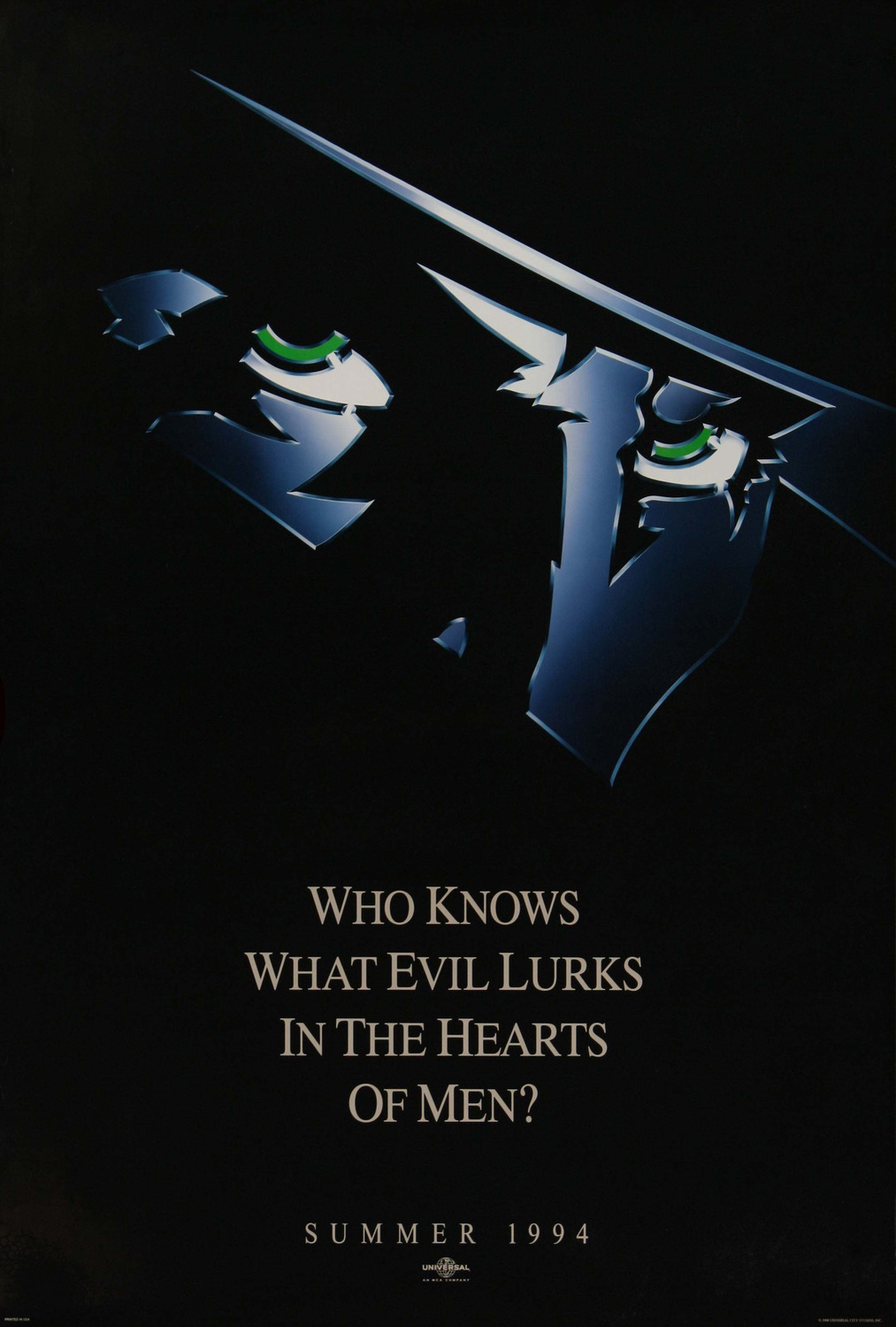
The Shadow (1994)

Now this one holds a very special place in my heart: In fact, you can trace a lot about my creative journey back to this film.

This early 90s adaptation of the legendary proto-superhero, courtesy of 90s-hit-making screenwriter David Koepp (Carlito's Way, Jurassic Park), was a title I stumbled upon in Virgin Megastore back in the day (remember that?) and, despite my brother's insistence to the contrary, bought it and feel headfirst in love with it. From there, I grew out into the pulp magazine reprints by Nostalgia Ventures, the radio drama (featuring, among others, Orson Welles) and several different comic book series, chiefly from DC.


Basic gist - a warlord gets reformed by a mystic Tulku to become the invisible crime fighter The Shadow in New York. However, Lamon Cranston's past is set to catch up with him when Shiwan Khan, descendant of the Mongol conqueror and admirer of his old self, arrives to begin ruling the world with a new super weapon: an atomic bomb.

The whole affair just oozes unapologetic 30s style - art deco sets, a jazzy soundtracks with ghostly airs not dissimilar to the radio shows, and a confluence of Oriental mysticism with mad science atmoic age science fiction. Even the dialogue has the wit and speed of an old screwball comedy (such as when Khan asks about Cranston's suits, to which Cranston responds, 'Brooks Bros. You are a barbarian'.)

Indeed, this style carries much of the picture - everything is in place for investment, but Cranston's own redemption arc feels like its missing its mid-section: we have a beginning with him as drug kingpin and warlord Ying Ko, and then his arrival in New York to fight crime. Then stuff happens, and then we get to the end where he is meant to have vanquished all his demons in a mirror hall abttle with Khan - however, that 'stuff' doesn't really seem to meaningfully confront Cranston with his own demons as much as it should. Now in part, this was due to an earthquake that hit during filming, destroying sets for scenes that would've expanded on Cranston's demons. The film runs okay without them, carried by that commitment to homage, but it could've be so much more.

So now, let's get back to the pitches - I wanted to combine all the notes together and see what I could gleam. The purpose of this was 1) Give myself something dsolid to refine and develop and 2) Give myself a means to discuss these with writer friends and get their two cents on the worth of these concepts. While I feel confident in them, a second opinion never hurts, even at an early stage.

But first, more notes:
  • Some possible side characters - how about a champion wrestler, really bone crushed type, who's also a sweet choir teacher?
  • The camp/activity centre - mould it after the likes of Kingswood (personal connection there, and not a terribly cheery one). Indeed, maybe make the acitivites somehow tie into concept of sins - personal, or even perhaps the Seven Deadly?
  • Mummy - Egyptian queen from Potelemaic era. Go for Cleopatra - potential there for complicated characters with strange morality. Or perhaps a lesser knwon one, like one of the later Berenices or Arsinoes. 
  • Mustard gas - old-school lethal gas, used in trenches.
  • Insults for possible use in future by characters - overgrown woodlouse, horse botherers, kafoingles, chicken ticklers, tub of duck fat.
Now, in laying out these small pitches, I wanted to detail the core elements. I broke them down as: 1) What's the setting? 2) Who's the protagonist and what do they want? (these first two I try to couch within some type of logline.) 3) What's the genre and style I'm going for? 4)What type of series is this and 4) A sense of what the plot for the pilot is like in very broad strokes. Right now, what matters is seeing if these fragments, when combined, can produce some type of actual whole. There'll be refinement later, but a test of an idea is can it be succinctly summarized.

Confident I had three bases, I decided to reach out to the aforementioned writers and ask their two cents on which was the most distinctive (I intend to do all three, but one will gain top priority and be the focus of this blog series).

Previous                                                                                                                                Next

Monday, 6 January 2020

Diary of a Spec Script - Day 1-5 (January 1st-5th)

Right, time to get started. Figured I'd collate these, since the individual days don't offer enough alone at the moment. At this stage, I'm strictly in research and making rough notes - meatier writing comes a little later. However, I think recounting this is useful in examining process and seeing where choices can lead. Plus, you get to hear me waffle about various topics. Hooray!

So here's the deal: I want to do something adventure-related, something closer to my own tastes in fiction, compared to 2019's specs. Got a few very, very broad concepts of what exactly: Possibly family friendly; Maybe do one that's more thriller/mystery; Maybe something retro, like a pulp adventure-serial. This is the stuff that made me not just want to write, but to create at all. I've loved adventure stories since I was a kid: lost cities, buried treasure, ancient mysteries, derring-do on plane, train and automobile. Tintin, Zorro, The Shadow, Doc Savage, the Sommers Mummy films, Disney's Atlantis, Treasure Planet, Pirates of the Caribbean, Three Musketeers, Sandokan - Love it, love it, love it.


So, where's a good spot to start: research the genre and revisit your influences. Learn what works and what doesn't. In no particular order, because it doesn't matter right now, here's what I've been watching and reading to get me in the adventuring mood, over the last few days:

The Adventures of Tintin

Man, it's been years since I actually read these. As a kid I could barely get enough of these, or the 90s TV series Nelvana made. Probably had more VHS tapes than comics, even - it was like a drug. Went back thorugh The Seven Crystal Balls (probably my favourite of the series), Prisoners of the Sun, Secret of the Unicorn, Red Rackham's Treasure and now, Cigars of the Pharoah.

They're no Watchmen or Sin City, but wow they actually hold up well -  Herge's kind of underrated as far as being a master of pacing goes, as well as his gift for perfect comic timing and slapstick. The books are uproarisously funny, in addition to quick moving at only 62 pages. The plots are not terribly complex, but they have strong hooks that get you into the swing of things quickly and never let go. The perfect alternation between exciting chases, fistfights and pratfalls gives the books a dynamism that even full-blooded action comics don't always have.

In addition, Herge's not afraid to give you a big and wacky cast - Captain Haddock, Professor Calculus, Thompson and Thomson, Nestor. All distinct, all with defined personalities, quirks and flaws that Herge mines for gags. All 100% memorable. While Tintin is, in some ways, the weakest character, he isn't flat or boring, by any means. Indeed, his simple, earnest desire to do good and solve mysteries acts as a balance,a  srobet to the craziness of everyone and everything else. He gives the stories a center of narrative gravity. Plus, his job as a reporter gives an easy excuse to squeeze in explanations and expositons without feeling as obligatory or tedious as it might.

Hooten and the Lady

Decided to check in on one of the more recent, as well as bigger, TV productions in the genre, courtesy of Death In Paradise's Red Planet Pictures, and created by legends like Tony Jordan, Jeff Povey and Sarah Phelps. Basic jist: a slovenly American treasure hunter and prim British curator team up to find treasure, Odd Couple by way of The Road To style.


It's quite fun - the stories move well enough and the leads have likeable personas and chemistry. However, some choices seem counterintuitive and frankly, I can see why it lasted only one series. Now, I'm not arrogant enough to think I can write better than Tony Jordan, but some of the choices made me wonder. For one, the show's engine isn't very well defined - in fact, it takes three episodes for it to become set down how all the character dynamics work. Without that, at the end of episode 1, I just felt like, 'How can this come back, week after week? I don't know how these people tick or how you can get them into new adventures without it feeling contrived.'

The villains too - in contrast to Tintin and some of the other stuff I'll discuss, they're all forgettable gangsters, thieves and rich guys. No cool gimmicks or names or personalities - no Bellocq or Mola Ram or Imhotep or Barbossa or Rastapopolus. Parts like these scream for great character actors to play them - they often get the best lines and toys in the movie/show. Real boo-hiss just utterly vile but loveably so types. Make the heroes seem to be in real jeopardy.

Plus, it seems like the show can't split the difference between serialized and episodic - the running arc of Lady Alex's wedding is lightweight to a fault. I get what theyre going for, contrasting mundane domestic life with adventure, plus it lets Alex have a nice guy boyfriend to contrast with the rough and tumble Hooten. However, maybe he and it are too nice - it doesn't feel like there's much at stake if she gets married or not. Plus, there's some stuff with Hooten's past, but it gets closed off in the penultimate epsiode, meaning Episode 8 is left with an amusing reversal but not a substantial threat, leaving the finale as kind of flat. Still funny, but dramatically light.

Doc Savage: The Man of Bronze

Read some more of the pulps last year, so instead decided to revisit the 70s film adaptation, starring Ron Ely as the super scientist who uses his genius and wealth to fight evil in the 30s with the Fabulous Five, WW1 vets-geniuses in various fields. This one was overseen by legendary sci-fi producer George Pal, and directed by Englishman Michael Anderson.


The books are better, for sure, but I kind of dig this: it's goofy and campy and lulls in the middle in ways which sound loud and clear budget problems, but I like it. The opening in New York with the Mayan assassin - near-perfect translaton of the stories to screen. Ely acquits himself well as a classic screen hero - square-jawed, gentle smile, ripped and gosh-shucks-earnest about everything. The villains aren't exactly great, but they're memorable - the pompous Captain Seas who gets a pre-Ausitn Powers evil laugh scene, or the weasley Don Rubio who sleeps in, I kid you not, a giant cradle. It is hilarious and bizarre in the best ways.

Shame the climax is a bit of a damp squib - just punch-ups near a pool of bubbling yellow-err, I mean gold in a jungle set. Plus, though it is often chuclesome, the comedy balance isn't as good as Herge's - it can go too far into goofy, which hurts the dramatic tension and stakes sometimes. Examples include the tacky theme song, a literal hatchet job of John Philip Sousa music; Doc having a pointless animated twinkle in his eye, or a drawn out fight between him and Doc that plays like one part Austin, one part Kung Pow: Enter the Fist.

The Avenger

This was an overdue revisit - the Avenger was created by Street & Smith to replicate the success of their The Shadow and Doc Savage pulp magazines. In essence, he's a fusion of the two - a super-smart adventurer-vigilante with a loyal crew. When I read the Nostalgia Ventures reprint of his first two adventures, Justice, Inc. and The Yellow Hoard several years back, I wasn't impressed - found them too derivative of the other characters.


Now, revisiting them, I think I was too harsh at the time. It's actually very slick and tightly written - I get the Avenger's motives in Justice, Inc., the stakes and want to him see him take down the buggers who killed his family. It moves at a great speed, throws plenty of sudden twists and turns and doesn't want for the sort of melodrama to thrill the 13 yr-old and 13 yr-old at heart. Admittedly, it can be a  little cheesy, as befits the sensationalist style of pulp magazine writing, but it's so well put together it doesn't really matter.

There's just loads of little cool details writer Paul Ernst (writing as Kenneth Robseon, the house pseudonym) squeezes in - the Avenger's knife and gun are called Mike and Ike; we get little snippets of his youth to explain various survival tricks he can pull off; the Avenger's face can be manipulated like putty, allowing him perfect disguises. It's heightened, but it adds a lot with these bits of worldbuilding and even character detail.

Doing this has been fun, and I've made some small notes along the way - mainly random thoughts about situations or sequences. Nothing much in the way of character or plot yet, but definitely thinking about the worlds. Sometimes I just scenes or little moments before I find the connective tissue. Some of it includes:
  • Something Ancient Egypt. Tutankhamun is very overdone - maybe try the Ptolomies instead (last dynasty of Pharoahs)?
  • The Romanov jewels. Maybe somehow made it to England - maybe hidden somewhere?
  • Avoid King Arthur and Robin Hood related lore and objects - done to death as well.
  • Some kind of orphanage, or perhaps a day-care/activity center, on acid. Maybe move away from Victoriana but keep a level of Gothic there.
  • Definitely set in UK, 1930s. Maybe do riff on then-fascist groups like British Union of Fascists and Oswald Mosley. Different take on usual Nazis (overdone, like Tut). Something in build up to WW2.
  • Family dynamic there. Maybe one of the kids is autistic - how will that affect adventuring? Also, wife - give her colourful vocabulary - swearing without f and s bombs. Go for nonsense words, be wacky and funny and goofy.
  • Maybe parents were adventurers in youth - maybe in vein of Tintin, Nancy Drew, Little Orphan Annie etc.
  • Mad scientists - big, dumb weapons and death traps. Want something with gas, and something with crazy voltage. Maybe 'death floor'.
  • Mummies - something with mummies. Maybe not as bad guys?

Prev                                                                                                                                                  Next

Wednesday, 1 January 2020

Diary of a Spec Script - All new blogging series

First, Happy New Year everybody! Hope everyone had a safe and happy night of partying.

Now, one of the things I pride myself on with this blog is that I'm able to offer an active, relatable perspective on screenwriting, from someone actively building a career in it. With it, aside from the usual story advice, I'm also talking about what the industry is like; how to conduct yourself; what your expectations should be and where you can go to get things done. As I learn something, I share it with you.

I figured, therefore, what would be the next logical step in giving you an on-the-ground perspective on screenwriting? I've already talked about networking, momentum, decorum and being placed on schemes - what's next? Then it hit me: document the writing of a script. An active documenting, rather than something hazy and retrospective. Take the reader through the ups and downs, successes and blockages, that come with writing something. Sometimes I'll write like a jackrabbit; other times, a tortoise.


The gameplan is to cover the whole process: research and gathering ideas; building the story engine; treatments and outlines; redrafting those; writing the actual script; redrafting that; getting notes; actioning them until, finally, the script can be sent out. The blogs won't be of a consistent length: sometimes I'll have a lot to talk about and discuss; other times, not.

This won't be so much a long screenwriting lecture, or even a definitive guide on how to write a pilot - there'll be elements, but my goal here is more to demystify the process for newcomers and show you what can happen as an idea turns into something visible. While books and even pro screenwriters can talk about the process, I don't think there's yet a major work on what it's actually like to go through the days it takes to write something. Plus, it allows me to interrogate my own process and consider what it is I could/should do different or better in future when I write.


 Will this cut into other content here? No. Other blogs will come out as well on different subjects. It also will not be a daily thing - at least, not for the first stretch concerning research. Might be every few days, in fact. Once we get into some writing, it will become more regular. 

Intrigued? Ready?
Ready.
Let's do this.


                                                                                                                                                  Next